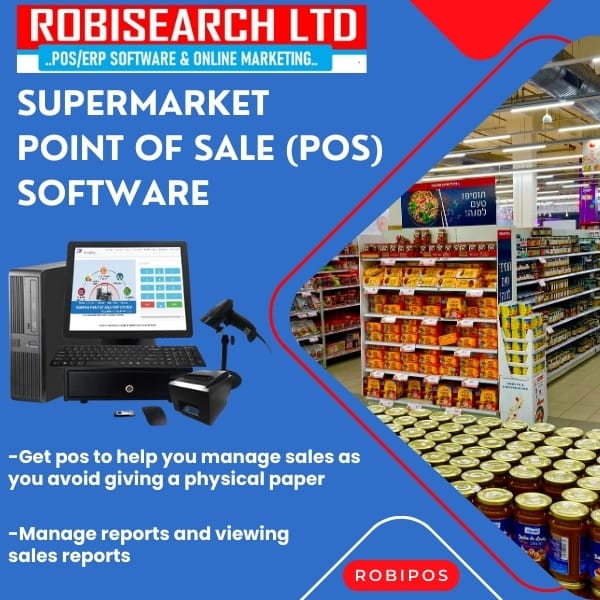
Retail POS Kenya: The Complete Guide to Choosing the Best POS System for Your Business
In today’s fast-evolving retail landscape, businesses in Kenya are increasingly turning to technology to streamline operations, improve customer experience, and boost profitability. One of the most essential tools driving this transformation is a Retail POS system in Kenya.
Whether you run a supermarket, boutique, pharmacy, electronics shop, or mini-mart, having the right POS (Point of Sale) system can significantly impact your efficiency and growth. This comprehensive guide explores everything you need to know about retail POS systems in Kenya, including features, benefits, costs, and how to choose the best solution for your business.
What is a Retail POS System?
A Retail POS system is a combination of hardware and software that allows businesses to process sales transactions, manage inventory, track customer data, and generate reports.
In Kenya, modern POS systems go beyond simple cash registers. They integrate with mobile payment platforms like M-Pesa, Airtel Money, and card payment solutions, making them essential for today’s retail environment.
Why Retail Businesses in Kenya Need a POS System
Retail businesses in Kenya face unique challenges such as inventory mismanagement, theft, manual errors, and inefficient reporting. A POS system helps solve these issues by automating operations.
Key Benefits:
1. Improved Efficiency
Manual processes are time-consuming and prone to errors. A POS system speeds up checkout, reduces queues, and improves overall productivity.
2. Inventory Management
With a retail POS system in Kenya, you can track stock levels in real-time, receive alerts for low stock, and avoid overstocking or stockouts.
3. Accurate Sales Tracking
POS systems generate detailed reports on daily, weekly, and monthly sales, helping you make informed decisions.
4. Integration with Mobile Payments
Kenya is a global leader in mobile money. A good POS system integrates seamlessly with M-Pesa, allowing smooth transactions.
5. Enhanced Customer Experience
Faster service, accurate billing, and loyalty programs improve customer satisfaction and retention.
Key Features of a Retail POS System in Kenya
When choosing a POS system, it’s important to look for features tailored to the Kenyan retail market.
1. Inventory Tracking
- Real-time stock updates
- Barcode scanning
- Multi-store inventory management
2. Payment Integration
- M-Pesa integration
- Card payments (Visa/Mastercard)
- Cash handling
3. Reporting and Analytics
- Sales reports
- Profit margins
- Staff performance
4. User Management
- Employee login access
- Role-based permissions
- Activity tracking
5. Cloud-Based Access
- Access your data from anywhere
- Secure backups
- Multi-branch management
6. Receipt Printing and Digital Receipts
- Custom branded receipts
- Email/SMS receipts
Types of pos system
Understanding the different types of POS systems helps you choose the right one for your business.
1. Cloud-Based POS Systems
These systems store data online and can be accessed from anywhere.
Advantages:
- Lower upfront cost
- Remote access
- Automatic updates
Best for: SMEs, startups, and multi-branch retailers
2. On-Premise POS Systems
Installed locally on your business computers.
Advantages:
- Full control over data
- No reliance on internet
Best for: Large retailers with IT infrastructure
3. Mobile POS Systems (mPOS)
Operates on smartphones or tablets.
Advantages:
- Portable
- Affordable
- Ideal for small businesses
Best for: Small shops, kiosks, and pop-up stores
Cost of Retail POS Systems in Kenya
The cost of a retail POS system in Kenya varies depending on features, hardware, and provider.
Estimated Pricing:
| Component | Cost Range (KES) |
|---|---|
| POS Software | 10,000 – 50,000 (one-time or subscription) |
| POS Terminal | 20,000 – 80,000 |
| Barcode Scanner | 5,000 – 15,000 |
| Receipt Printer | 8,000 – 25,000 |
| Monthly Subscription | 2,000 – 10,000 |
Total Setup Cost:
A complete POS system in Kenya typically ranges between KES 30,000 to KES 150,000+.
Top Industries Using Retail POS Systems in Kenya
Retail POS solutions are widely used across various sectors:
1. Supermarkets and Mini-Marts
- Inventory tracking
- Fast checkout
- Supplier management
2. Clothing Stores and Boutiques
- Size and color tracking
- Sales analytics
- Customer loyalty programs
3. Pharmacies
- Expiry date tracking
- Prescription management
- Regulatory compliance
4. Electronics Shops
- Serial number tracking
- Warranty management
5. Hardware Stores
- Bulk inventory handling
- Pricing management
How to Choose the Best Retail POS System in Kenya
Selecting the right POS system can be overwhelming. Here are key factors to consider:
1. Business Size and Needs
Choose a system that matches your business scale. Small shops may need basic features, while large retailers require advanced analytics.
2. Ease of Use
A user-friendly interface ensures your staff can quickly learn and operate the system.
3. Local Payment Integration
Ensure the system supports:
- M-Pesa
- Airtel Money
- Bank card payments
4. Scalability
Your POS system should grow with your business, supporting multiple branches and increased transactions.
5. Customer Support
Reliable local support is crucial for troubleshooting and maintenance.
6. Security
Look for systems with:
- Data encryption
- Secure login
- Regular backups
Challenges of Implementing POS Systems in Kenya
Despite the benefits, businesses may face some challenges:
1. Initial Cost
The upfront investment can be high for small businesses.
2. Internet Connectivity
Cloud-based systems require stable internet, which may be inconsistent in some areas.
3. Training Staff
Employees need training to use the system effectively.
4. System Downtime
Technical issues can disrupt operations if not addressed quickly.
Future of Retail POS Systems in Kenya
The retail industry in Kenya is rapidly digitizing, and POS systems are evolving to include advanced technologies.
Emerging Trends:
1. AI and Data Analytics
Retailers can predict customer behavior and optimize inventory using AI-powered insights.
2. Mobile and Contactless Payments
The rise of contactless payments is shaping the future of retail POS systems.
3. E-commerce Integration
POS systems are now integrating with online stores, enabling omnichannel retailing.
4. Cloud Expansion
More businesses are shifting to cloud-based POS systems for flexibility and scalability.
Benefits of Using a Local POS Provider in Kenya
Choosing a locally developed POS system offers several advantages:
- Better understanding of Kenyan market needs
- Integration with local payment systems
- Faster customer support
- Compliance with local tax regulations
Tips for Successfully Implementing a POS System
To maximize the benefits of your retail POS system in Kenya:
- Train your staff thoroughly
- Regularly update the system
- Backup your data frequently
- Monitor reports to make data-driven decisions
- Choose scalable solutions
Conclusion
A Retail POS system in Kenya is no longer a luxury—it’s a necessity for businesses looking to stay competitive in today’s market. From improving efficiency and accuracy to enhancing customer experience, POS systems provide a solid foundation for growth.
Whether you are running a small shop or a large retail chain, investing in the right POS system can transform your operations and increase profitability. By understanding your business needs, comparing options, and choosing a reliable provider, you can unlock the full potential of retail technology in Kenya.