Best Electronics Shop POS System in Kenya (2026 Guide)
Running a successful electronics shop in Kenya today requires more than just stocking the latest gadgets. With increasing competition, customer expectations, and the rise of digital payments, having an efficient electronics shop POS system in Kenya is no longer optional—it’s essential.
A modern POS (Point of Sale) system helps electronics retailers streamline operations, manage inventory, track sales, and improve customer experience. In this comprehensive guide, we’ll explore everything you need to know about choosing the best POS system for your electronics business in Kenya.
What is an Electronics Shop POS System?
A POS system is a combination of hardware and software that enables businesses to process sales transactions. For electronics shops, it goes beyond simple billing—it integrates inventory management, customer tracking, reporting, and payment processing into one platform.
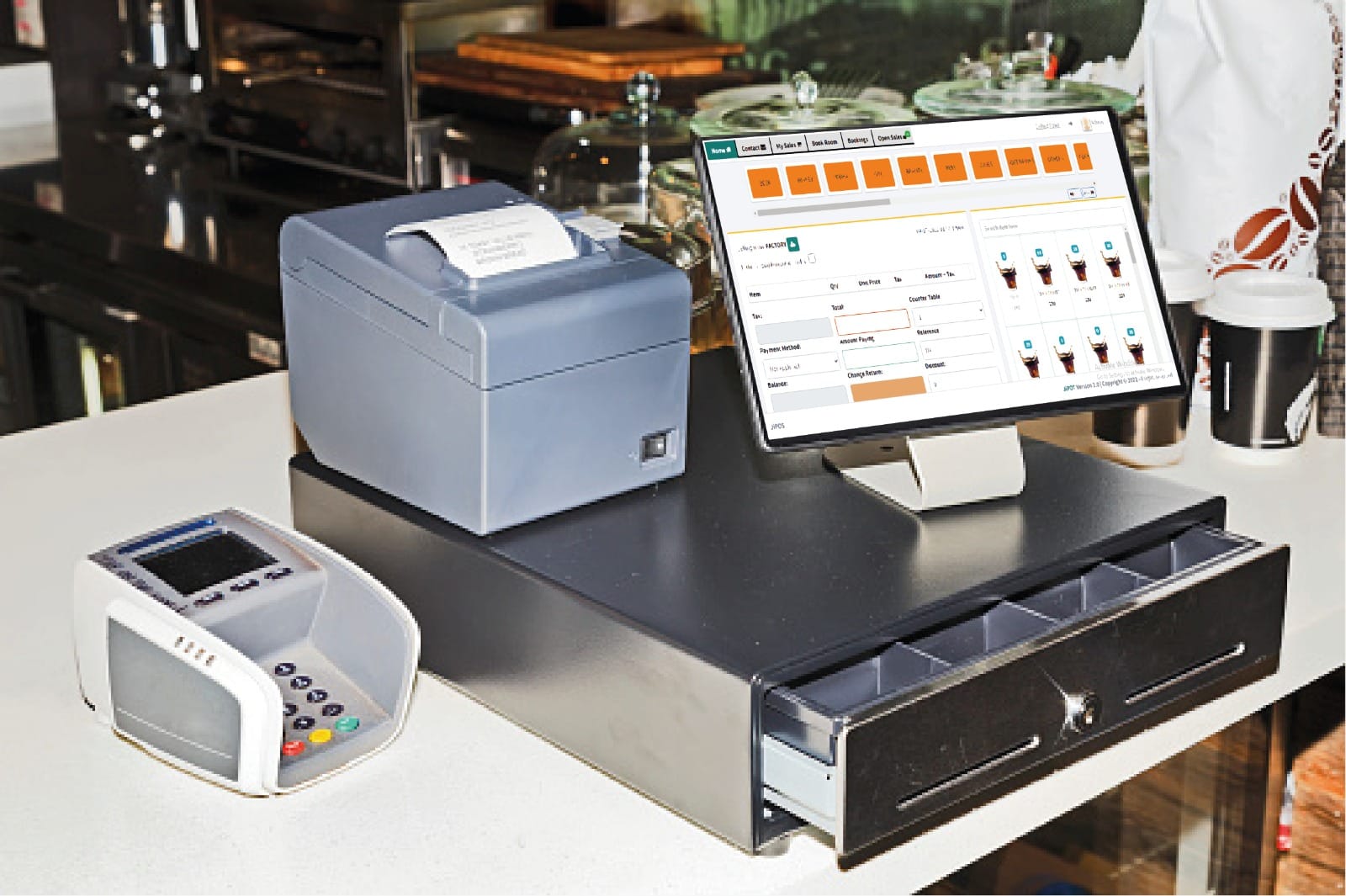
An electronics shop POS system in Kenya typically includes:
- A computer or tablet
- Barcode scanner
- Receipt printer
- Cash drawer
- POS software
Why Electronics Shops in Kenya Need a POS System
Electronics businesses deal with high-value items, multiple product variations, warranties, and frequent stock movement. Managing all this manually can lead to errors and losses.
Here’s why a POS system is crucial:
1. Accurate Inventory Management
Electronics shops stock items like phones, TVs, accessories, and spare parts. A POS system tracks inventory in real-time, helping you:
- Avoid stockouts
- Reduce overstocking
- Track fast-moving items
2. Faster Checkout Process
Customers expect quick service. A POS system speeds up transactions using barcode scanning and automated pricing.
3. Sales Tracking and Reporting
With a POS system, you can monitor:
- Daily sales
- Best-selling products
- Profit margins
- Employee performance
4. Multi-Payment Integration
Kenyan customers use various payment methods such as:
- M-Pesa
- Airtel Money
- Debit/Credit cards
- Cash
A POS system allows seamless integration with these options.
5. Warranty and Serial Number Tracking
Electronics often come with warranties. A good POS system helps track:
- Serial numbers
- Warranty periods
- Customer purchase history
Key Features of the Best Electronics Shop POS System in Kenya
When choosing a POS system, ensure it includes the following features:
1. Inventory Management with Serial Tracking
Electronics shops require detailed tracking of items. The system should allow:
- Serial/IMEI tracking
- Batch tracking
- Product variants (size, model, color)
2. Integration with M-Pesa
Since mobile money dominates in Kenya, your POS should integrate directly with M-Pesa for:
- Automatic payment confirmation
- Reduced fraud
- Faster reconciliation
3. User-Friendly Interface
Your staff should be able to use the system without extensive training. A simple interface improves efficiency.
4. Cloud-Based Access
Cloud POS systems allow you to:
- Access your business data from anywhere
- Monitor multiple branches
- Backup data securely
5. Reporting and Analytics
Look for systems that provide:
- Real-time dashboards
- Profit/loss reports
- Sales trends
6. Customer Management (CRM)
A POS system should help you:
- Store customer details
- Track purchase history
- Offer loyalty programs
7. Multi-Branch Support
If you plan to expand, choose a POS system that supports multiple outlets.
Types of POS Systems Available in Kenya
1. Cloud-Based POS Systems
These systems store data online and are ideal for modern businesses.
Advantages:
- Remote access
- Automatic updates
- Scalable
2. On-Premise POS Systems
Installed locally on your computers.
Advantages:
- Works without internet
- Full control over data
3. Mobile POS Systems
Run on smartphones or tablets.
Best for:
- Small electronics shops
- Startups with limited budgets
How to Choose the Right Electronics Shop POS System in Kenya
Choosing the right system depends on your business size, budget, and needs.
Step 1: Identify Your Needs
Ask yourself:
- Do you need multi-branch support?
- How many products do you stock?
- Do you need serial number tracking?
Step 2: Set a Budget
POS systems in Kenya range from affordable monthly subscriptions to higher one-time investments.
Step 3: Check Integration Options
Ensure the system integrates with:
- M-Pesa
- Accounting software
- E-commerce platforms
Step 4: Evaluate Support and Training
Choose a provider that offers:
- Local support in Kenya
- Training for your staff
- Quick issue resolution
Step 5: Request a Demo
Always test the system before purchasing.
Benefits of Using a POS System in Your Electronics Shop
Improved Efficiency
Automating tasks reduces manual errors and saves time.
Better Decision Making
Access to real-time data helps you make informed business decisions.
Increased Sales
With better inventory management and faster checkout, you can serve more customers.
Enhanced Customer Experience
Quick service and multiple payment options improve customer satisfaction.
Challenges Electronics Shops Face Without a POS System
Operating without a POS system can lead to:
- Inventory mismanagement
- Revenue leakage
- Slow customer service
- Poor record keeping
- Difficulty scaling
Cost of Electronics Shop POS Systems in Kenya
The cost varies depending on features and provider.
Typical Pricing:
- Basic POS system: KES 10,000 – 30,000
- Advanced POS system: KES 30,000 – 100,000+
- Monthly subscriptions: KES 2,000 – 10,000
Additional costs may include:
- Hardware (scanner, printer)
- Installation fees
- Training
Best Practices for Using a POS System
To maximize the benefits:
1. Train Your Staff
Ensure all employees understand how to use the system effectively.
2. Regularly Update Inventory
Keep your stock records accurate.
3. Analyze Reports Frequently
Use sales data to identify trends and improve performance.
4. Backup Your Data
If using an on-premise system, ensure regular backups.
5. Secure Your System
Use passwords and user roles to prevent unauthorized access.
Future of POS Systems in Kenya
The retail industry in Kenya is rapidly evolving. Future POS systems will include:
- AI-driven analytics
- Advanced mobile payment integration
- E-commerce integration
- Automated stock replenishment
Electronics shops that adopt modern POS systems early will have a competitive advantage.
Conclusion
Investing in the best electronics shop POS system in Kenya is one of the smartest decisions you can make for your business. It simplifies operations, improves accuracy, enhances customer experience, and supports business growth.
Whether you run a small electronics shop or a large retail chain, a reliable POS system will help you stay ahead in Kenya’s competitive market. Take the time to evaluate your needs, compare options, and choose a system that aligns with your business goals.
FAQs About Electronics Shop POS Systems in Kenya
1. What is the best POS system for electronics shops in Kenya?
The best system depends on your needs, but it should include inventory tracking, M-Pesa integration, and reporting features.
2. Can a POS system track serial numbers?
Yes, advanced POS systems allow tracking of serial numbers and warranties.
3. Is internet required for POS systems?
Cloud-based systems require internet, while on-premise systems can work offline.
4. How much does a POS system cost in Kenya?
Prices range from KES 10,000 to over KES 100,000 depending on features.
5. Can I use a POS system for multiple branches?
Yes, many modern POS systems support multi-branch management.