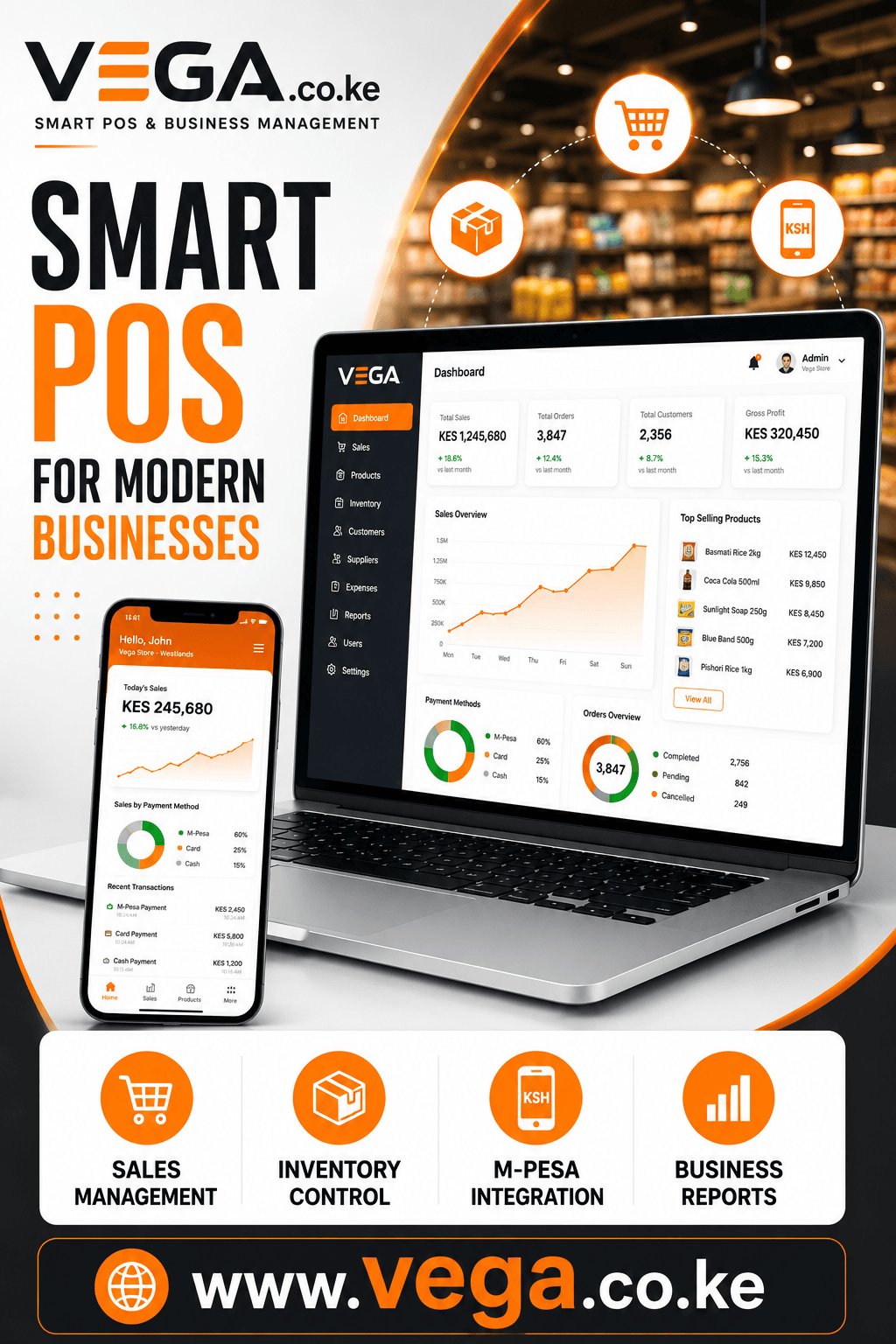
Retail Operations Management Software is an essential solution for retailers seeking to streamline daily business activities, improve efficiency, enhance customer service, and maintain complete visibility across operations.
Modern retail businesses face increasing challenges as customer expectations continue to evolve. Managing inventory, processing sales, tracking stock movement, handling suppliers, monitoring financial performance, and maintaining customer relationships can quickly become overwhelming when using manual systems.
As businesses grow, spreadsheets, paper records, and disconnected software tools often create inefficiencies that lead to stock inaccuracies, delayed reporting, operational bottlenecks, and reduced profitability.
Retail Operations Management Software addresses these challenges by centralizing key retail functions into a single platform. Instead of managing different processes separately, retailers can automate workflows and access real-time business information from one system.
For businesses throughout Kenya, including supermarkets, retail shops, pharmacies, hardware stores, electronics retailers, wholesalers, and specialty stores, Retail Operations Management Software provides the foundation needed to support growth while maintaining operational control.
The software helps retailers improve decision-making, increase efficiency, and deliver better customer experiences in an increasingly competitive market.
Table of Contents
- Understanding Retail Operations Management Software
- Why Retail Operations Management Software Matters
- Core Features of Retail Operations Management Software
- Sales and Transaction Management
- Inventory and Stock Control
- Supplier and Procurement Management
- Reporting and Business Intelligence
- Challenges of Traditional Retail Management Methods
Understanding Retail Operations Management Software
Retail Operations Management Software is a comprehensive business platform designed to help retailers manage daily operations efficiently.
The software integrates sales, inventory management, procurement, customer management, supplier administration, financial tracking, and reporting into a centralized environment.
Retail businesses must coordinate numerous operational activities every day. These include managing stock levels, processing customer transactions, receiving inventory, handling supplier orders, monitoring sales performance, and maintaining accurate records.
Without proper systems, these activities can become difficult to manage and may negatively impact customer satisfaction and profitability.
Retail Operations Management Software simplifies these responsibilities through automation and centralized data management.
The platform provides real-time visibility into business performance while reducing reliance on manual processes.
For retail businesses operating throughout Kenya, automation is becoming increasingly important as competition grows and customer expectations continue to rise.
Retail Operations Management Software helps organizations maintain operational efficiency while supporting long-term business growth.
Why Retail Operations Management Software Matters
Efficient operations are critical to retail success.
Businesses that rely on manual systems often struggle with stock discrepancies, delayed reporting, inefficient workflows, and limited visibility into performance.
Retail Operations Management Software helps eliminate these challenges by automating key operational processes.
One of the primary benefits is improved efficiency. Tasks that traditionally require manual effort can be completed automatically, reducing administrative workloads and improving productivity.
The software also improves accuracy by ensuring inventory records, sales transactions, and financial information remain synchronized.
Retail Operations Management Software provides better visibility into daily business activities, enabling managers to make informed decisions based on real-time information.
Another important advantage is scalability. As businesses expand, the software supports growth without requiring proportional increases in administrative resources.
For retailers throughout Kenya, these capabilities create opportunities to improve profitability, customer service, and operational performance.
Organizations that invest in modern retail management systems are often better positioned to compete effectively in dynamic markets.
Core Features of Retail Operations Management Software
A comprehensive Retail Operations Management Software solution includes a wide range of features designed to support retail operations.
Point of sale functionality enables businesses to process transactions quickly and accurately.
Inventory management tools help track stock levels, product movement, and inventory availability in real time.
Supplier management capabilities support procurement processes and vendor relationship management.
Customer management features maintain customer records, purchase histories, and engagement information.
Purchase management tools help businesses track orders, deliveries, and supplier performance.
Reporting and analytics provide insights into sales performance, inventory trends, and operational efficiency.
User access controls help maintain security while supporting role-based responsibilities.
Financial tracking capabilities improve visibility into revenue, expenses, and profitability.
Together, these features make Retail Operations Management Software a critical operational tool for modern retail businesses.
Sales and Transaction Management
Sales processing is one of the most important functions within any retail business.
Retail Operations Management Software includes point of sale capabilities that streamline transaction processing and improve customer service.
Staff can process purchases efficiently while maintaining accurate transaction records.
The software automatically updates inventory levels after each sale, reducing the risk of stock discrepancies.
Sales information is captured in real time, providing managers with immediate visibility into business performance.
Retail Operations Management Software also supports multiple payment methods and transaction types.
Customer purchase histories can be maintained to improve service quality and support future marketing initiatives.
For busy retail environments, automated transaction management improves speed, accuracy, and operational consistency.
The result is a more efficient sales process and a better customer experience.
Inventory and Stock Control
Inventory management is essential for maintaining product availability and controlling operational costs.
Retail Operations Management Software helps businesses track inventory levels accurately across products and locations.
The system monitors stock movement in real time and automatically updates inventory records following sales, purchases, and adjustments.
Businesses can identify fast-moving products, monitor stock turnover, and detect inventory shortages before they affect sales.
Retail Operations Management Software also supports stock audits, inventory transfers, and reorder management.
Automated stock tracking reduces manual errors and improves inventory accuracy.
Managers gain visibility into product performance and inventory trends that support purchasing decisions.
For retailers throughout Kenya, effective inventory management helps improve profitability while reducing stock-related challenges.
The software provides the control necessary to maintain efficient retail operations.
Supplier and Procurement Management
Strong supplier relationships are essential for maintaining inventory availability and operational continuity.
Retail Operations Management Software simplifies procurement processes by providing centralized supplier management tools.
Businesses can maintain supplier records, monitor purchase history, track deliveries, and evaluate supplier performance.
Purchase orders can be generated and managed through the platform, improving procurement efficiency.
Retail Operations Management Software helps ensure inventory replenishment occurs at the right time and in the correct quantities.
The software improves visibility into purchasing activities while reducing administrative workloads.
Automated procurement workflows support better planning and inventory control.
For growing retail businesses, effective supplier management contributes to improved operational stability and profitability.
Retail Operations Management Software provides the tools needed to manage procurement processes efficiently.
Reporting and Business Intelligence
Data-driven decision-making is increasingly important in retail management.
Retail Operations Management Software includes reporting and analytics tools that transform operational data into actionable business insights.
Managers can monitor sales performance, inventory activity, customer trends, purchasing behavior, and financial results through centralized dashboards.
Reports provide visibility into key performance indicators that support strategic planning and operational improvements.
Retail Operations Management Software enables businesses to identify opportunities for growth and areas requiring attention.
Real-time reporting improves responsiveness while supporting informed decision-making.
For retailers operating multiple branches or managing large product catalogs, centralized reporting creates a unified view of business performance.
The software helps transform data into valuable intelligence that supports long-term success.
Challenges of Traditional Retail Management Methods
Many retailers continue to rely on spreadsheets, paper records, and disconnected software systems to manage operations.
While these methods may work during the early stages of business growth, they often become inefficient as operations expand.
Manual inventory tracking can lead to stock discrepancies, inaccurate records, and lost sales opportunities.
Sales reporting may be delayed, limiting visibility into business performance.
Supplier management becomes more complex as purchasing activity increases.
Customer information may become fragmented across multiple systems.
Manual processes also consume significant administrative time and increase the likelihood of human error.
As businesses grow, these limitations can negatively impact profitability and operational efficiency.
Retail Operations Management Software addresses these challenges by centralizing operations, automating workflows, improving visibility, and supporting scalable growth.
For retailers throughout Kenya, implementing Retail Operations Management Software is becoming increasingly important for maintaining competitiveness, improving efficiency, and delivering exceptional customer experiences.
Benefits for Retail Business Owners
Retail Operations Management Software provides significant advantages for business owners seeking to improve efficiency, profitability, and operational control.
One of the most important benefits is centralized management. Instead of relying on multiple systems and manual records, owners can manage sales, inventory, purchasing, customers, suppliers, and reporting from a single platform.
The software improves productivity by automating repetitive tasks that would otherwise consume valuable administrative time.
Retail Operations Management Software also enhances decision-making by providing real-time access to business performance data.
Business owners gain visibility into sales trends, inventory levels, purchasing activity, and financial performance through centralized dashboards.
Operational accuracy improves because transactions, stock movements, and financial records remain synchronized automatically.
The platform also supports business growth by providing scalable tools capable of handling increasing transaction volumes and product inventories.
For retailers throughout Kenya, these capabilities contribute to stronger operational performance and improved profitability.
Organizations that implement Retail Operations Management Software are often better positioned to manage growth while maintaining service quality and operational efficiency.
Benefits for Store Managers and Employees
Store managers and employees play a critical role in maintaining smooth retail operations.
Retail Operations Management Software helps teams perform daily responsibilities more efficiently while reducing administrative burdens.
Managers can monitor inventory levels, sales performance, staff activities, and purchasing requirements through centralized dashboards.
Employees benefit from simplified transaction processing and streamlined inventory management workflows.
Retail Operations Management Software reduces the likelihood of manual errors by automating routine operational tasks.
The platform also improves communication between departments because information remains accessible and up to date across the organization.
Store managers gain greater visibility into operational performance and can respond more quickly to emerging issues.
Automated workflows help ensure consistency across daily operations while improving overall productivity.
For growing retail businesses, these capabilities support stronger teamwork and more efficient store management.
Retail Operations Management Software creates a structured environment that helps employees focus on delivering excellent customer service.
Benefits for Customers
Customers also experience significant benefits when retailers implement Retail Operations Management Software.
One of the most important advantages is improved service speed. Automated point of sale functionality enables faster transaction processing and reduces waiting times.
The software helps maintain accurate inventory information, ensuring customers can access products when they need them.
Retail Operations Management Software also improves billing accuracy by reducing pricing errors and transaction discrepancies.
Customer purchase histories can be maintained to support personalized service and better customer engagement.
The platform helps retailers respond more quickly to customer needs because staff have access to accurate and up-to-date information.
Inventory availability improves because stock management processes become more efficient.
For customers throughout Kenya, these improvements contribute to a smoother shopping experience and higher levels of satisfaction.
Retail Operations Management Software helps businesses deliver the reliability and convenience that modern consumers expect.
Improving Efficiency Through Automation
Automation is one of the most valuable capabilities offered by Retail Operations Management Software.
Traditional retail management often relies on spreadsheets, paper records, manual calculations, and repetitive administrative processes.
These methods consume time and increase the risk of errors.
Retail Operations Management Software automates sales processing, inventory updates, purchasing workflows, customer management, reporting, and stock monitoring.
The platform continuously maintains accurate records without requiring constant manual intervention.
Automated workflows improve consistency while reducing operational overhead.
Managers can focus on strategic business activities rather than routine administrative tasks.
Retail Operations Management Software also enables businesses to scale more efficiently because increased transaction volumes do not necessarily require proportional increases in administrative resources.
For retail businesses throughout Kenya, automation supports improved productivity, stronger operational control, and long-term scalability.
The software transforms daily retail operations into a streamlined and efficient digital process.
Compliance, Security, and Risk Management
Maintaining accurate records and protecting business information is essential for modern retail operations.
Retail Operations Management Software helps organizations improve accountability through centralized data management and detailed operational tracking.
The platform maintains comprehensive records of sales transactions, inventory movements, supplier activities, customer interactions, and purchasing processes.
These records support auditing, reporting, financial reviews, and operational oversight.
Retail Operations Management Software also enhances security by implementing user access controls and role-based permissions.
Administrators can control access to sensitive information while maintaining visibility into employee activities.
Risk management improves because managers gain real-time insights into inventory discrepancies, unusual transactions, and operational performance.
The software helps identify potential issues before they become significant business challenges.
For retailers managing multiple employees, locations, and product categories, these capabilities support secure and reliable operations.
Retail Operations Management Software provides a structured framework for improving transparency while reducing operational risk.
Why Vega Is the Ideal Solution
Vega is designed to help retailers manage operations efficiently through a centralized business management platform.
Retail Operations Management Software becomes significantly more powerful when integrated with inventory management, sales processing, purchasing workflows, supplier management, customer administration, and reporting tools.
Vega combines these capabilities within a single system.
The platform supports point of sale operations, inventory tracking, stock control, customer management, supplier administration, purchasing management, sales reporting, and business analytics.
Retailers can manage daily operations from a unified dashboard while maintaining complete visibility into business performance.
Vega helps eliminate the inefficiencies associated with manual record keeping and disconnected software systems.
Retail Operations Management Software powered by Vega enables businesses to improve operational efficiency while maintaining accuracy and control.
For retailers throughout Kenya, Vega provides a scalable solution capable of supporting both small businesses and growing enterprises.
By centralizing operations and automating critical workflows, Vega helps retailers increase productivity, improve profitability, and support sustainable business growth.
Future Trends
The future of retail management will be shaped by automation, artificial intelligence, cloud computing, and advanced analytics.
Retail Operations Management Software is expected to evolve with increasingly intelligent forecasting, inventory optimization, and customer engagement capabilities.
Artificial intelligence may help retailers predict demand patterns, optimize stock levels, and identify sales opportunities more accurately.
Cloud-based deployment models will continue gaining popularity because they provide flexibility, accessibility, and scalability.
Advanced analytics will offer deeper insights into customer behavior, inventory performance, and operational efficiency.
Mobile management capabilities will become increasingly important as business owners seek greater flexibility in managing operations remotely.
As retail competition continues growing throughout Kenya, businesses will require increasingly sophisticated tools to maintain efficiency and profitability.
Retail Operations Management Software will remain a critical component of successful retail operations.
Organizations that adopt modern technologies early will gain important advantages in productivity, customer satisfaction, and long-term growth.
Getting Started
Implementing Retail Operations Management Software begins with evaluating existing business processes and identifying opportunities for automation.
Retailers should assess inventory management procedures, sales workflows, purchasing activities, customer management practices, and reporting requirements.
The next step involves selecting a platform capable of integrating these operational functions into a centralized environment.
Organizations should establish clear procedures for inventory control, sales processing, supplier management, and reporting before implementation.
Staff training is also essential to ensure successful adoption and ongoing operational effectiveness.
Retail Operations Management Software delivers the greatest value when implemented as part of a broader strategy focused on operational efficiency, customer satisfaction, and business growth.
For businesses seeking a complete solution, Vega offers integrated capabilities that support point of sale operations, inventory management, customer administration, supplier management, purchasing workflows, reporting, and business analytics.
By implementing Retail Operations Management Software, retailers can streamline operations, improve inventory accuracy, increase productivity, enhance customer experiences, and create a scalable foundation for long-term success.