 Vega
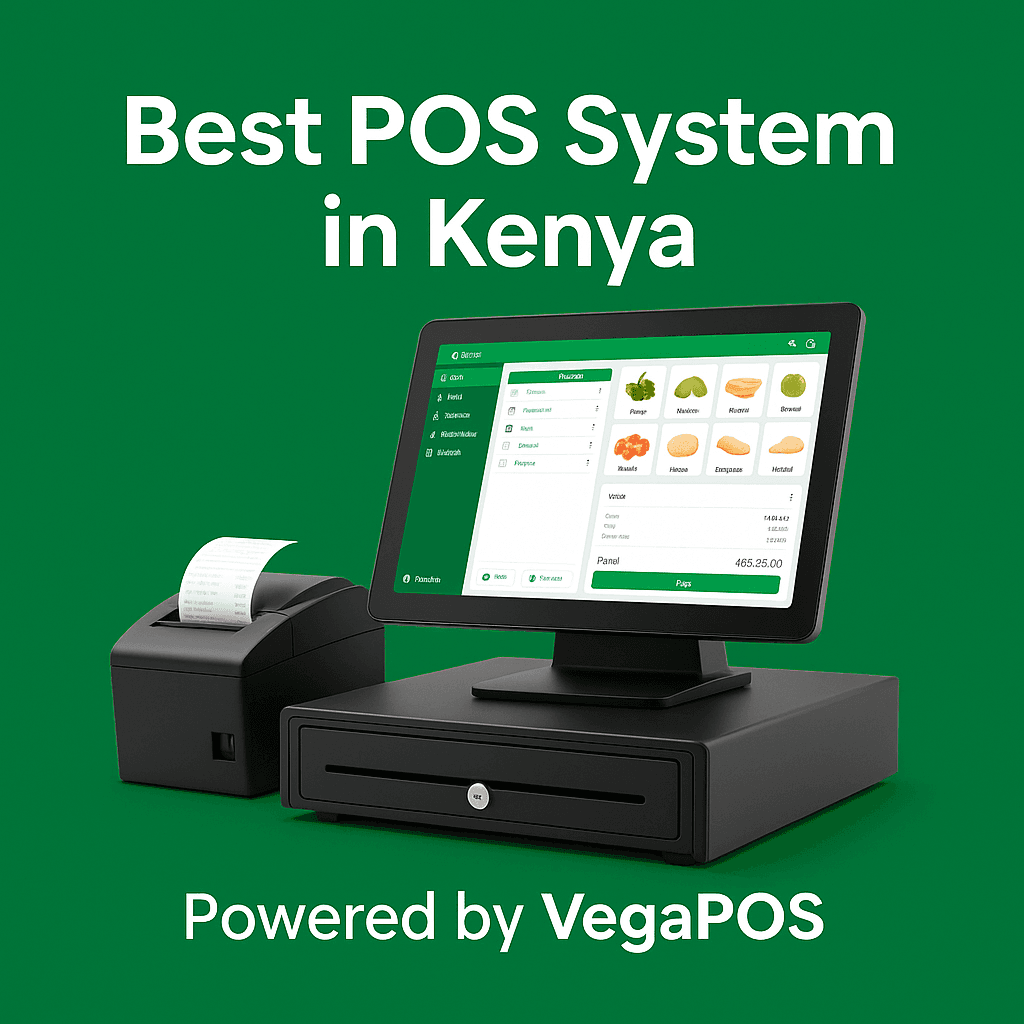
Cost of POS system in Kenya is one of the first questions every shop owner asks. The answer is not a single figure. It depends on hardware, software, and the features you need.
This guide breaks down the real Cost of POS system in Kenya so you can budget accurately. We cover terminals, printers, scanners, and cash drawers. We also explain software subscriptions and hidden costs.
By the end, you will understand the Cost of POS system in Kenya at every budget level. Whether you run a kiosk in Nakuru or a supermarket in Nairobi, this breakdown applies to you.
Many vendors quote only hardware prices. They hide software fees. They do not mention training or support. This article exposes the full Cost of POS system in Kenya.
You will also learn the Cost of POS system in Kenya for different business types. And you will see how Cost of POS system in Kenya varies by branch count and user numbers.
The Cost of POS system in Kenya includes one-time fees and monthly fees. It also includes the hidden cost of not switching. You will learn the Cost of POS system in Kenya with vega.co.ke supporting your tracking and reporting.
The Cost of POS system in Kenya is not just about purchase price. It is about total cost of ownership. You will see the Cost of POS system in Kenya over three years, not just month one.
You will also understand the Cost of POS system in Kenya when you need eTIMS compliance. And you will see the Cost of POS system in Kenya for multi-branch operations.
The Cost of POS system in Kenya also depends on whether you choose cloud or on-premise. We will compare both. And we will show the Cost of POS system in Kenya for small shops versus large supermarkets.
Finally, you will learn the Cost of POS system in Kenya including support and maintenance. You will also see the Cost of POS system in Kenya when you factor in staff training. And you will understand the Cost of POS system in Kenya for long-term value.
Let us begin with the hardware costs.
Hardware Costs: The One-Time Investment
Hardware is the physical equipment you touch and use. It is a one-time purchase. But prices vary widely based on quality and brand.
Hardware is the biggest upfront cost of POS system in Kenya. You can start small and upgrade later. Or you can buy everything at once.
POS Terminal or Computer
The terminal is the brain of your POS. It runs the software and processes sales.
All-in-one touchscreen terminals are common. They are compact and purpose-built for retail. Prices range from KES 25,000 for basic Android models to KES 275,000 for premium commercial-grade units.
A desktop computer running POS software is often cheaper. You can use a standard PC. Prices range from KES 30,000 to KES 65,000.
Tablets are another option. An Android tablet may cost KES 15,000. It works for small shops with low transaction volumes.
Receipt Printer
A thermal printer produces fast, ink-free receipts. It uses heat-sensitive paper. No ink or ribbons are needed.
A basic 58mm printer costs around KES 5,000. An 80mm printer, standard for supermarkets, costs KES 12,000. Premium auto-cutter models cost up to KES 25,000.
Some all-in-one POS machines have built-in printers. This saves space and reduces cost.
Barcode Scanner
A barcode scanner speeds up checkout. It reduces pricing errors. It is essential for shops with many products.
A basic laser scanner costs about KES 3,500. A 2D imager costs around KES 7,000. A wireless 2D scanner costs up to KES 12,000.
Small kiosks with few items may skip the scanner. But any shop with hundreds of products will recover the cost quickly.
Cash Drawer
A cash drawer keeps your money organised and secure. It connects to the printer or terminal. It pops open automatically when a cash sale is recorded.
A basic 3-compartment drawer costs about KES 4,000. A 5-compartment model costs around KES 8,000. Heavy-duty drawers cost up to KES 15,000.
Hardware Bundle Prices
You do not have to buy components separately. Bundles offer convenience and savings.
A basic bundle with tablet, scanner, and printer costs KES 25,000 to KES 45,000. A mid-range bundle with touchscreen, scanner, printer, and cash drawer costs KES 50,000 to KES 90,000.
For mini-supermarkets with two counters, hardware costs range from KES 120,000 to KES 250,000.
Software Costs: The Ongoing Subscription
Software is where you record sales and generate reports. Most POS software in Kenya uses a monthly subscription model.
This is the recurring cost of POS system in Kenya. It never stops. But it includes updates and support.
Starter Plans
Starter plans suit small shops and kiosks. They offer basic sales tracking and receipts.
Prices range from KES 499 to KES 5,000 per month. Some providers offer free tiers with limited features.
These plans usually support one user and one shop. They may not include M-Pesa integration or inventory tracking.
Standard Plans
Standard plans add M-Pesa integration and inventory management. They support multiple users.
Prices range from KES 2,000 to KES 10,000 per month. These plans suit growing shops with 2-5 users.
They include eTIMS compliance, which is mandatory for VAT-registered businesses.
Professional Plans
Professional plans support multiple branches and advanced analytics. They include role-based permissions and API access.
Prices range from KES 10,000 to KES 25,000 per month. These plans suit supermarkets and chains.
Enterprise Plans
Enterprise plans offer unlimited users and branches. They include dedicated support and custom SLAs.
Prices start at KES 25,000 per month and go higher. These suit large organisations with complex needs.
Annual Billing Discounts
Most providers offer 10-20% discounts for annual payment. For example, a KES 2,500 monthly plan becomes KES 23,990 per year.
Annual billing saves money. But it requires upfront payment. Consider your cash flow before committing.
Total Cost of Ownership: What You Actually Pay
The purchase price is not the full story. You must calculate total cost of ownership over three years.
This is the true cost of POS system in Kenya. It includes hardware, software, training, and support.
Small Retail Shop (Duka)
Hardware: KES 25,000 to KES 45,000. Software: KES 2,000 per month. Training: KES 5,000. Support: included in subscription.
Three-year total: KES 100,000 to KES 120,000.
Boutique or Fashion Store
Hardware: KES 50,000 to KES 90,000. Software: KES 3,000 per month. Training: KES 8,000. Support: included.
Three-year total: KES 165,000 to KES 210,000.
Mini-Supermarket
Hardware: KES 120,000 to KES 250,000. Software: KES 5,000 per month. Training: KES 15,000. Support: included.
Three-year total: KES 315,000 to KES 450,000.
Restaurant
Hardware: KES 80,000 to KES 160,000. Software: KES 4,000 per month. Training: KES 10,000. Support: included.
Three-year total: KES 235,000 to KES 315,000.
These ranges give you a realistic budget. Add 10-15% for unexpected costs. Power backups, internet, and consumables add up.
Optional Hardware and Add-Ons
Some businesses need extra equipment. These add to the cost of POS system in Kenya.
Weighing Scale
Supermarkets, butcheries, and delis need integrated scales. Prices range from KES 15,000 to KES 45,000.
Kitchen Display Screen
Restaurants use kitchen displays to coordinate orders. Prices range from KES 20,000 to KES 40,000.
Customer-Facing Display
A customer display shows the running total. It builds trust. Prices range from KES 8,000 to KES 20,000.
Label Printer
Pharmacies and supermarkets use label printers for pricing and expiry dates. Prices range from KES 12,000 to KES 30,000.
UPS or Battery Backup
Kenya experiences power outages. A UPS keeps your POS running. Prices range from KES 5,000 to KES 15,000.
Hidden Costs to Watch For
Some costs are not obvious. They appear after you buy. Budget for them now.
Installation and Setup
Some vendors charge for installation. This may include configuring software, setting up hardware, and entering product data. Costs range from KES 5,000 to KES 20,000.
Training
Basic training may be included. Advanced training may cost extra. Budget KES 5,000 to KES 15,000 for comprehensive training.
Data Migration
If you have existing records, you need to move them. This may require manual entry. It takes time and may cost money.
Internet and Airtime
Cloud POS systems need internet. Budget KES 3,000 to KES 5,000 per month for a reliable connection.
Consumables
Thermal paper rolls, barcode labels, and receipt paper cost money. Budget KES 1,000 to KES 3,000 per month depending on volume.
Support and Maintenance
Some vendors charge for support after the first year. Ask about ongoing support fees. Budget 10-15% of the software cost annually.
eTIMS Compliance: A Non-Negotiable Cost
KRA requires eTIMS for VAT-registered businesses. Your POS must be compliant. This is not optional.
Some POS systems include eTIMS at no extra cost. Others charge for it. Check before you buy.
Non-compliance leads to fines. The cost of POS system in Kenya must include eTIMS compliance if you are VAT-registered.
Cloud vs On-Premise: Cost Comparison
Cloud POS runs on the vendor’s servers. On-premise POS runs on your own computer.
Cloud POS has lower upfront costs. You pay monthly. Updates and backups are included. But you pay forever.
On-premise POS has higher upfront costs. You pay once for a license. You own the software. But you pay for updates and support separately. License fees range from KES 50,000 to KES 300,000.
Cloud is better for small shops. On-premise is better for large businesses with unique needs.
How to Reduce the Cost of POS System in Kenya
You can lower your costs without sacrificing quality.
Start with the Basics
Buy only what you need now. Add hardware and features as you grow.
Choose Cloud Over On-Premise
Cloud has lower upfront costs. You avoid large capital expenditure.
Use Annual Billing
Most vendors offer 10-20% discounts for annual payment. This saves money over monthly billing.
Negotiate with Vendors
Ask for discounts. Ask for bundled pricing. Ask for a trial period before you commit.
Train Staff Internally
You do not need expensive external training. Train your supervisors. Let them train cashiers.
Buy Genuine Hardware
Cheap clones fail often. They cost more in repairs and downtime. Buy genuine equipment with warranty.
Common Mistakes to Avoid
Buying on Price Alone
The cheapest system may lack support. It may fail during peak hours. It may not scale. Compare total value, not just price.
Ignoring Software Fees
Hardware is a one-time cost. Software is forever. Budget for monthly fees.
Skipping the Trial
Never buy without testing. Request a demo. Run a trial in your shop. Test during peak hours.
Forgetting eTIMS
Non-compliance leads to fines. Ensure your POS is eTIMS compliant.
Underestimating Training
Untrained staff make errors. They slow down service. Budget time and money for training.
Not Backing Up Data
Data loss is painful. Choose a system with cloud backup. Test the restore process.
How vega.co.ke Helps with Cost of POS System in Kenya
Cost of POS system in Kenya becomes easier to manage with vega.co.ke. The platform helps you track sales, cash, and shift data in one place.
With vega.co.ke, you can see sales by product, cashier, and shift. You can spot variances quickly. This supports accountability and better decisions.
vega.co.ke is designed for Kenyan and African businesses. It focuses on clarity and ease of use. You do not need technical expertise.
If you are budgeting for Cost of POS system in Kenya, consider using vega.co.ke for your tracking and reporting. Visit vega.co.ke to see how it can support your retail business.
Frequently Asked Questions
1. What is the average cost of a POS system in Kenya?
A basic setup costs KES 25,000 to KES 45,000. A mid-range system costs KES 50,000 to KES 90,000. Mini-supermarkets may spend KES 120,000 to KES 250,000. Software adds KES 500 to KES 25,000 per month.
2. Is there a free POS system in Kenya?
Some providers offer free starter plans. They have limited features. You may still pay for hardware and transaction fees. Free plans work for very small shops.
3. How much is POS software per month?
Starter plans cost KES 499 to KES 5,000 per month. Standard plans cost KES 2,000 to KES 10,000. Professional plans cost KES 10,000 to KES 25,000. Enterprise plans start at KES 25,000.
4. Do I need to buy hardware separately?
Not always. Some vendors sell complete bundles. Bundles include terminal, printer, scanner, and cash drawer. Bundles save money and ensure compatibility.
5. What hidden costs should I expect?
Installation, training, data migration, internet, consumables, and support fees. Budget 10-15% above the purchase price.
6. Is eTIMS compliance included in POS cost?
Some systems include eTIMS. Others charge extra. Check before you buy. eTIMS is mandatory for VAT-registered businesses.
7. Can I pay for a POS system in instalments?
Some vendors offer instalment plans. Ask about payment terms. You may pay a deposit and monthly fees.
8. How can vega.co.ke help with POS costs?
vega.co.ke helps you track sales and cash data. It gives you visibility into daily operations. It supports better decisions. Visit vega.co.ke to learn more.
Take Action on Cost of POS System in Kenya
The Cost of POS system in Kenya depends on your business size and needs. Hardware costs range from KES 25,000 to KES 250,000. Software costs range from KES 500 to KES 25,000 per month.
Add training, support, and consumables. Calculate total cost over three years, not just month one. Avoid cheap clones. Choose a system that scales.
Remember that the Cost of POS system in Kenya is an investment, not an expense. A good POS reduces theft, speeds up checkout, and gives you accurate data.
Use vega.co.ke to track your sales and cash. Visit vega.co.ke today to explore how it can support your retail operations. Take the first step toward better control and higher profit.