Cloud POS Kenya – The Ultimate Guide for Modern Businesses

What is Cloud POS Kenya?
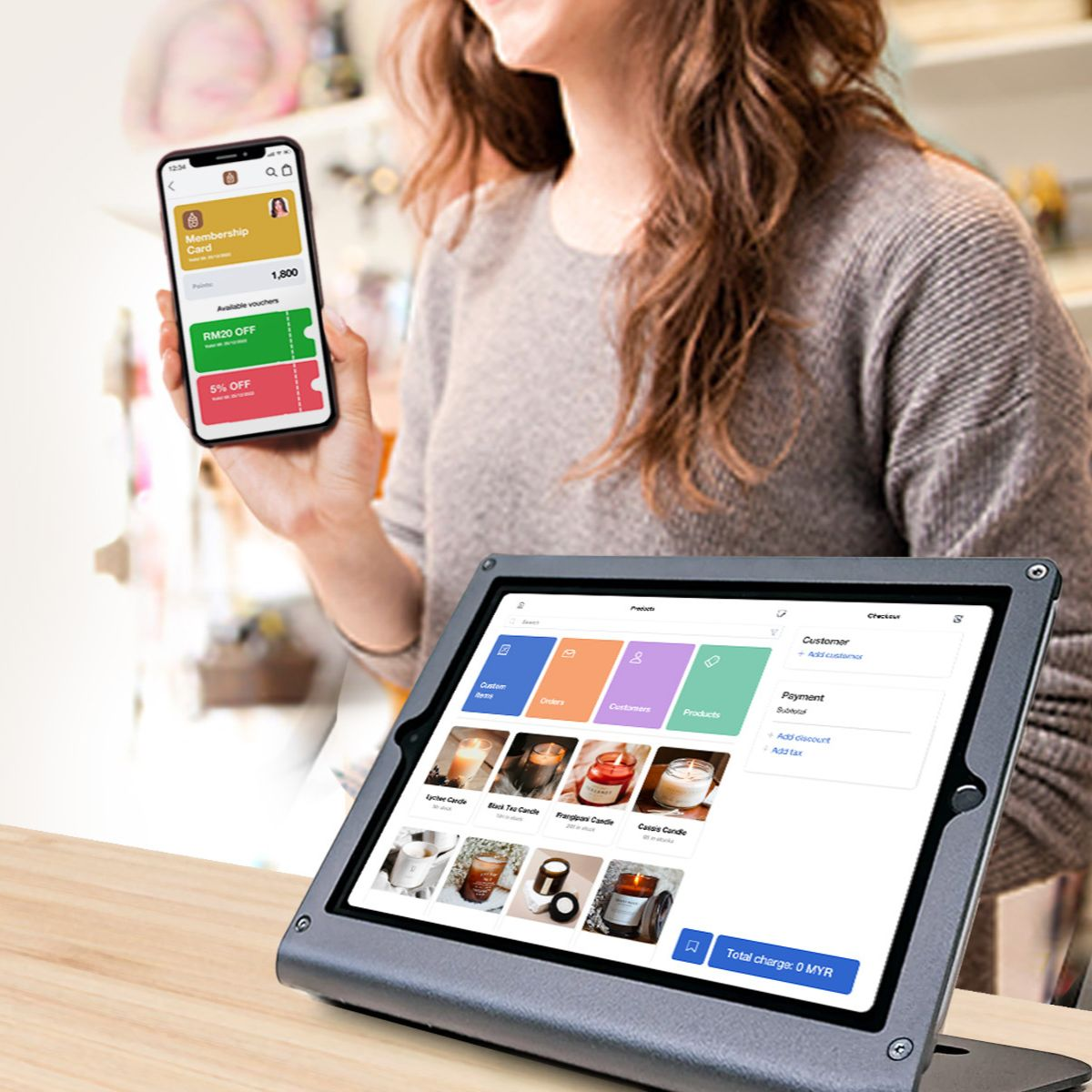
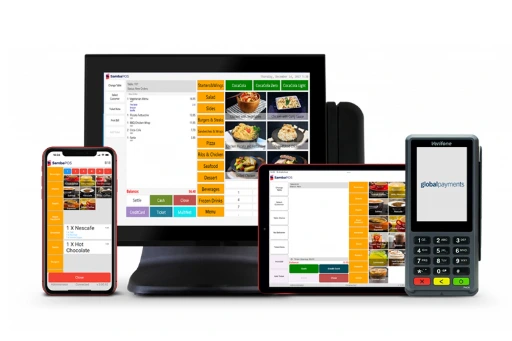
Cloud POS Kenya refers to a cloud-based Point of Sale (POS) system designed for businesses operating in Kenya. Unlike traditional POS systems that rely on local servers, a cloud POS system stores data online, allowing business owners to access sales reports, inventory, and customer information anytime, anywhere.
With the rapid growth of retail shops, supermarkets, restaurants, pharmacies, hardware stores, and wholesale businesses in Kenya, cloud POS solutions are becoming the preferred choice for efficient business management.
Why Businesses in Kenya Are Switching to Cloud POS
Businesses across Nairobi, Mombasa, Kisumu, Eldoret, and other towns are adopting cloud POS systems because they offer:
1. Real-Time Access to Data
Business owners can monitor sales, inventory, and staff performance in real time from any device.
2. Remote Business Management
Whether you’re in Nairobi or traveling abroad, you can manage your shop remotely.
3. Automatic Data Backup
Cloud POS systems automatically back up data, reducing the risk of loss due to hardware failure or theft.
4. Scalability
As your business grows, you can easily add new branches and users without expensive upgrades.
5. Integration with Kenyan Payment Methods
Most Cloud POS Kenya solutions integrate with:
M-Pesa
Card payments
Bank transfers
Mobile wallets
Key Features of Cloud POS Kenya
A modern cloud POS system in Kenya should include:
✔ Inventory management
✔ Sales tracking and reporting
✔ Multi-branch management
✔ Staff management
✔ Customer database (CRM)
✔ M-Pesa integration
✔ VAT and KRA compliance support
✔ Offline mode capability
These features help businesses streamline operations and increase profitability.
Industries That Benefit from Cloud POS Kenya
Cloud POS systems are ideal for:
Retail Shops & Supermarkets
Manage stock levels, pricing, and supplier orders efficiently.
Restaurants & Cafés
Track orders, manage tables, and monitor daily sales performance.
Pharmacies
Monitor medicine inventory and expiry dates.
Hardware Stores
Track bulk inventory and high-value items with ease.
Wholesale & Distribution Businesses
Handle large inventory databases and multi-branch sales.
Benefits of Using Cloud POS in Kenya
✔ Improved Efficiency
Automates manual processes like stock counting and daily sales calculations.
✔ Reduced Theft & Fraud
Real-time monitoring reduces internal fraud and stock losses.
✔ Better Decision-Making
Access detailed analytics and reports to make informed business decisions.
✔ Cost-Effective
No need for expensive servers or IT infrastructure.
How to Choose the Best Cloud POS Kenya Solution
When selecting a cloud POS provider in Kenya, consider:
Ease of use
Customer support availability
Internet reliability requirements
Pricing plans
Local compliance features
Integration with Kenyan payment systems
Choose a provider that understands the Kenyan market and offers local support.
Future of Cloud POS Kenya
The future of business in Kenya is digital. With increasing internet penetration and mobile payment adoption, cloud POS systems will continue to dominate the retail and hospitality sectors.
Businesses that adopt Cloud POS Kenya solutions early gain a competitive advantage through automation, analytics, and better customer service.
Cloud POS Kenya Pricing Guide
When researching Cloud POS Kenya, pricing is one of the most important factors for business owners. The cost of a cloud-based POS system in Kenya typically depends on:
Number of users
Number of branches
Features required
Hardware needs (printer, scanner, cash drawer, tablet)
Support and maintenance packages
Typical Pricing Structure in Kenya
Most providers offer:
Monthly Subscription Plans – Affordable and flexible for small businesses.
Annual Packages – Cost-effective for growing enterprises.
Custom Enterprise Plans – Ideal for supermarkets and multi-branch operations.
Because it’s cloud-based, you avoid large upfront server costs, making it a budget-friendly option for SMEs in Kenya.
Cloud POS Kenya vs Traditional POS
| Feature | Cloud POS Kenya | Traditional POS |
|---|---|---|
| Data Storage | Online (Cloud) | Local Computer |
| Remote Access | Yes | No |
| Automatic Backup | Yes | Manual |
| Multi-Branch Management | Easy | Complex |
| Upgrade Costs | Minimal | High |
| Scalability | High | Limited |
Cloud POS clearly offers flexibility, security, and long-term cost savings for Kenyan businesses.
Cloud POS Kenya and M-Pesa Integration

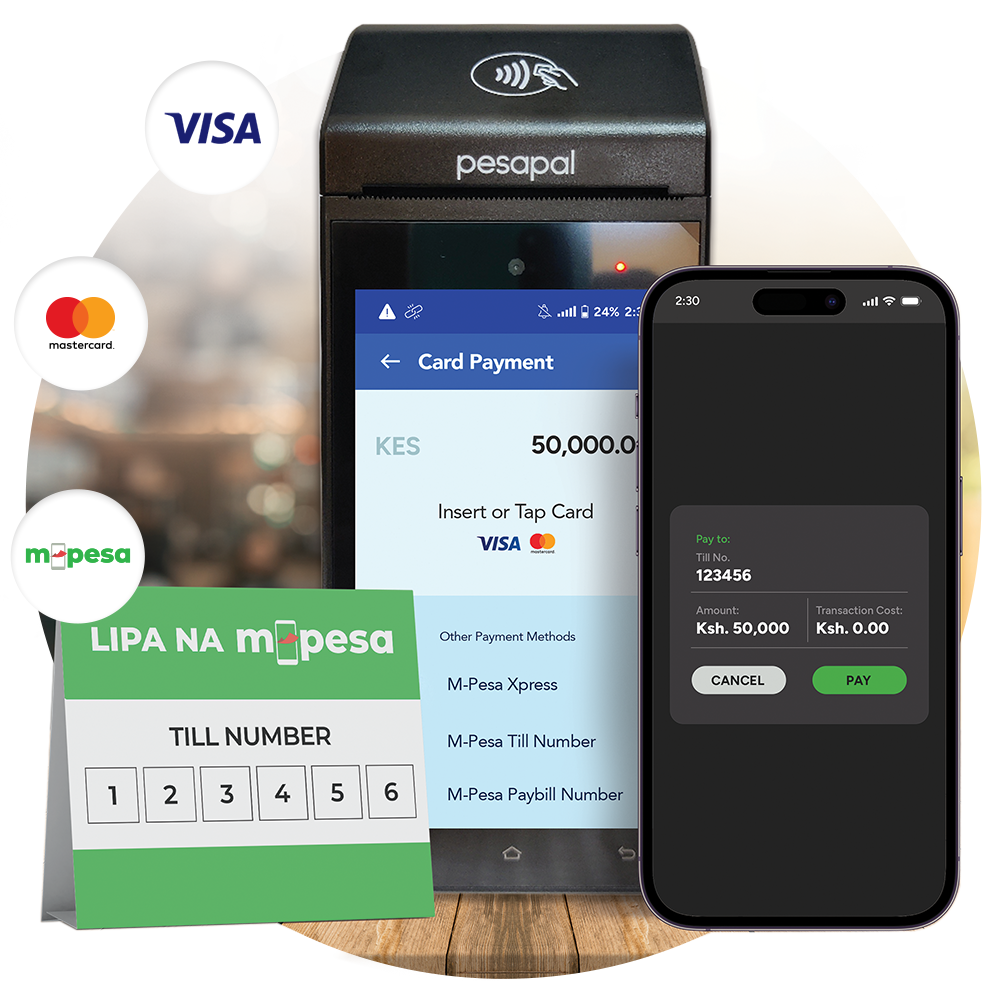

One of the biggest advantages of Cloud POS Kenya is seamless integration with M-Pesa. Since mobile money dominates transactions in Kenya, businesses need POS systems that:
Automatically record M-Pesa payments
Reconcile transactions instantly
Reduce manual entry errors
Track daily mobile money revenue
This integration increases efficiency and reduces accounting mistakes.
Security of Cloud POS Systems in Kenya
Security is a top concern for businesses. Modern Cloud POS Kenya systems provide:
Encrypted data transmission
Secure cloud storage
Role-based user permissions
Audit trails for transactions
Automatic updates for security patches
With proper implementation, cloud systems are often safer than traditional offline systems.
Cloud POS Kenya for Small Businesses
Small and medium-sized enterprises (SMEs) in Kenya benefit the most from cloud POS solutions because:
They are easy to install
No advanced IT knowledge required
Affordable subscription models
Scalable as business grows
Access reports via smartphone
From small kiosks in Nairobi to mini-marts in rural towns, cloud POS systems simplify operations and improve profitability.
Cloud POS Kenya for Supermarkets
Supermarkets require advanced functionality such as:
Barcode scanning
Bulk inventory management
Supplier tracking
Customer loyalty programs
Multi-cashier support
A robust cloud POS system ensures smooth checkout operations and accurate stock management.
How Cloud POS Improves Business Growth in Kenya
Using Cloud POS Kenya enables businesses to:
Identify best-selling products
Monitor slow-moving stock
Track peak sales hours
Analyze profit margins
Improve customer service
With detailed analytics, business owners can make smarter decisions and increase revenue.
Frequently Asked Questions (FAQ)
What internet speed is required for Cloud POS Kenya?
Most systems work efficiently on standard 4G connections. Some offer offline mode during temporary internet outages.
Is Cloud POS Kenya suitable for rural areas?
Yes, especially if the system supports offline functionality with automatic sync once internet is restored.
Can I manage multiple branches?
Yes. Cloud POS systems allow centralized monitoring of all branches from one dashboard.
Is Cloud POS secure?
Yes. Reputable providers use encryption, secure servers, and automatic backups.
Conclusion
Cloud POS Kenya is transforming how businesses operate. With real-time reporting, M-Pesa integration, inventory automation, and remote access, cloud-based POS systems are the future of retail and hospitality in Kenya.
Businesses that adopt cloud POS technology today position themselves for efficiency, security, scalability, and long-term growth.