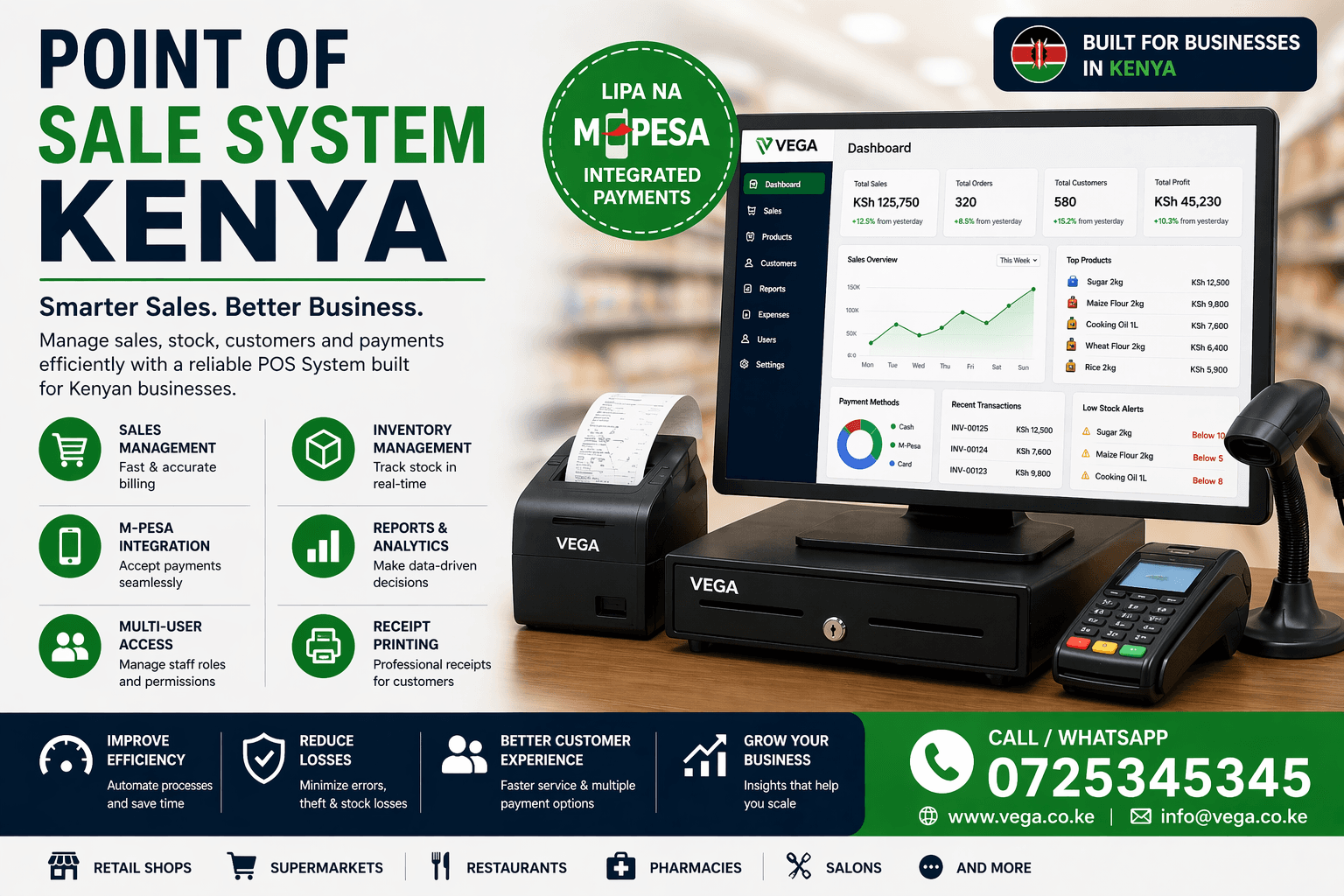
The Rise of Next-Generation Business Operating Systems
The modern business world is evolving rapidly, and traditional software systems are no longer enough to manage complex operations. This is where next-generation business operating systems are transforming how organizations function.
A next-generation business operating system is not just software—it is a complete digital ecosystem that integrates artificial intelligence, automation, cloud computing, and real-time data processing into a unified platform.
Unlike legacy systems that operate in silos, next-generation business operating systems connect every part of a business, from sales and marketing to finance, HR, logistics, and customer service.
These systems are designed to help companies operate faster, smarter, and more efficiently in a highly competitive digital economy.
🌍 What Are Next-Generation Business Operating Systems?
Next-generation business operating systems are intelligent, cloud-based platforms that act as the central nervous system of a modern enterprise.
They unify:
- Business processes
- Artificial intelligence
- Data analytics
- Automation tools
- Communication systems
- Cloud infrastructure
The goal of next-generation business operating systems is to replace fragmented tools with a single intelligent platform that runs the entire business.
⚙️ Why Next-Generation Business Operating Systems Matter Today
Businesses today face increasing complexity. Managing multiple disconnected systems leads to inefficiency and data silos.
📈 1. Unified Business Control
Next-generation business operating systems provide a single dashboard to manage all operations.
🧠 2. AI-Powered Decision Making
These systems use AI to analyze data and recommend actions in real time.
⚡ 3. Increased Operational Speed
Automation reduces manual tasks and speeds up workflows.
💰 4. Cost Reduction
Eliminates the need for multiple software subscriptions and integrations.
🔐 5. Better Security
Centralized systems improve data protection and compliance.
🧩 Core Features of Next-Generation Business Operating Systems
A modern next-generation business operating system includes powerful features designed for scalability and intelligence.
🤖 1. Artificial Intelligence Engine
AI is the brain of next-generation business operating systems.
It enables:
- Predictive analytics
- Smart recommendations
- Automated decision-making
- Customer behavior analysis
🔄 2. Workflow Automation
Automation replaces repetitive tasks:
- Invoice processing
- Customer onboarding
- HR management
- Sales pipeline automation
☁️ 3. Cloud-Based Infrastructure
Next-generation business operating systems run on cloud platforms ensuring:
- Scalability
- Global accessibility
- Real-time data syncing
- High availability
📊 4. Unified Data Dashboard
All business data is centralized:
- Sales data
- Customer insights
- Financial reports
- Operational metrics
🔐 5. Advanced Security Layer
Security features include:
- End-to-end encryption
- Role-based access control
- Fraud detection systems
- Compliance monitoring
🏗️ Architecture of Next-Generation Business Operating Systems
A strong architecture ensures performance and scalability.
🧱 Microservices Architecture
Each business function operates independently.
⚡ Event-Driven Systems
Real-time responses to business activities.
📦 Containerization
Docker and Kubernetes enable flexible deployment.
🧠 AI Model Integration Layer
AI services are connected via APIs for real-time intelligence.
🚀 Benefits of Next-Generation Business Operating Systems
📈 1. Business Scalability
Systems grow with your company without disruption.
⚡ 2. Real-Time Intelligence
Instant access to data-driven insights.
💰 3. Reduced Operational Costs
Fewer tools, lower infrastructure costs.
🧠 4. Smarter Automation
AI handles complex decision-making tasks.
🌍 5. Global Business Management
Manage operations from anywhere in the world.
🏭 Industries Using Next-Generation Business Operating Systems
🏦 Finance
- Risk management
- Fraud detection
- Automated reporting
🏥 Healthcare
- Patient management
- AI diagnostics
- Hospital automation
🛒 E-Commerce
- Inventory control
- Customer personalization
- Sales forecasting
🚚 Logistics
- Supply chain optimization
- Fleet tracking
- Delivery automation
🎓 Education
- Learning management systems
- AI tutoring
- Student analytics
🏢 Enterprises
- HR automation
- Financial planning
- Internal communication systems
🧪 Technologies Behind Next-Generation Business Operating Systems
Modern platforms use advanced technologies such as:
- Artificial Intelligence (AI)
- Machine Learning (ML)
- Cloud Computing (AWS, Azure, GCP)
- Big Data Processing (Spark, Kafka)
- APIs and Microservices
- DevOps Automation Tools
- Blockchain (for security and transparency)
🔄 How Next-Generation Business Operating Systems Work
1. Data Collection
Information is gathered from multiple sources.
2. Data Processing
AI and analytics engines process raw data.
3. Decision Intelligence
The system generates insights and recommendations.
4. Automation Execution
Tasks are executed automatically.
5. Continuous Learning
AI improves system performance over time.
📊 Why Businesses Are Moving Toward Next-Generation Business Operating Systems
Traditional software is no longer sufficient.
Businesses need systems that:
- Scale automatically
- Integrate AI deeply
- Reduce manual work
- Provide real-time intelligence
This is why next-generation business operating systems are becoming the backbone of modern enterprises.
🧭 How to Choose the Right Next-Generation Business Operating System
When selecting a platform, consider:
✔ Scalability capabilities
✔ AI integration strength
✔ Cloud infrastructure support
✔ Security standards
✔ Ease of integration with existing tools
📌 Common Mistakes Without Next-Generation Business Operating Systems
- Using disconnected software tools
- Lack of automation
- Poor data visibility
- High operational costs
- Slow decision-making
🌟 Future Trends in Next-Generation Business Operating Systems
🔮 1. Fully Autonomous Enterprises
Businesses running with minimal human input.
🧠 2. AI-Native Operating Systems
AI embedded into every layer.
☁️ 3. Edge Computing Integration
Faster processing closer to users.
🔐 4. Zero-Trust Security Models
Advanced cybersecurity frameworks.
🤖 5. Hyper-Automation
End-to-end process automation across industries.
🏁 Conclusion: The Future Is Next-Generation Business Operating Systems
Next-generation business operating systems are revolutionizing how companies operate, scale, and compete.
They unify AI, automation, cloud computing, and data intelligence into one powerful platform that drives efficiency and innovation.
Businesses that adopt next-generation business operating systems today are positioning themselves for long-term success in the digital economy.
The future belongs to intelligent, automated, and scalable systems—and next-generation business operating systems are leading that transformation.
Integration Power of Next-Generation Business Operating Systems
One of the strongest advantages of next-generation business operating systems is their ability to integrate seamlessly with existing tools and platforms.
Instead of forcing businesses to abandon their current software, these systems act as a central intelligence layer that connects everything together.
🔌 Common Integrations Include:
- CRM systems (customer relationship management)
- ERP platforms (enterprise resource planning)
- Accounting tools
- Marketing automation systems
- HR management systems
- E-commerce platforms
- Communication tools (email, chat, video systems)
This integration capability makes next-generation business operating systems extremely powerful because they unify fragmented business ecosystems into a single intelligent environment.
🧠 AI Intelligence Layer in Next-Generation Business Operating Systems
At the core of next-generation business operating systems is the AI intelligence layer.
This layer continuously analyzes business data and transforms it into actionable insights.
🧩 Key Functions of AI Layer:
- Predict customer demand trends
- Identify business risks early
- Optimize pricing strategies
- Recommend operational improvements
- Automate decision-making processes
Unlike traditional dashboards that only display data, next-generation business operating systems actively interpret data and guide business actions.
⚡ Real-Time Business Execution with Next-Generation Business Operating Systems
Speed is everything in modern business. Next-generation business operating systems enable real-time execution of business processes.
This means:
- Orders are processed instantly
- Customer queries are handled immediately
- Inventory updates automatically
- Financial reports generate in real time
This real-time capability ensures businesses stay ahead of competitors who rely on outdated systems.
📊 Data-Driven Culture Powered by Next-Generation Business Operating Systems
Modern organizations must become data-driven to survive.
A next-generation business operating system helps build this culture by making data accessible, understandable, and actionable.
📈 Benefits of Data-Driven Operations:
- Better strategic decisions
- Reduced guesswork in planning
- Higher operational efficiency
- Improved customer satisfaction
- Increased profitability
With centralized dashboards, every department in the organization works using the same real-time data source.
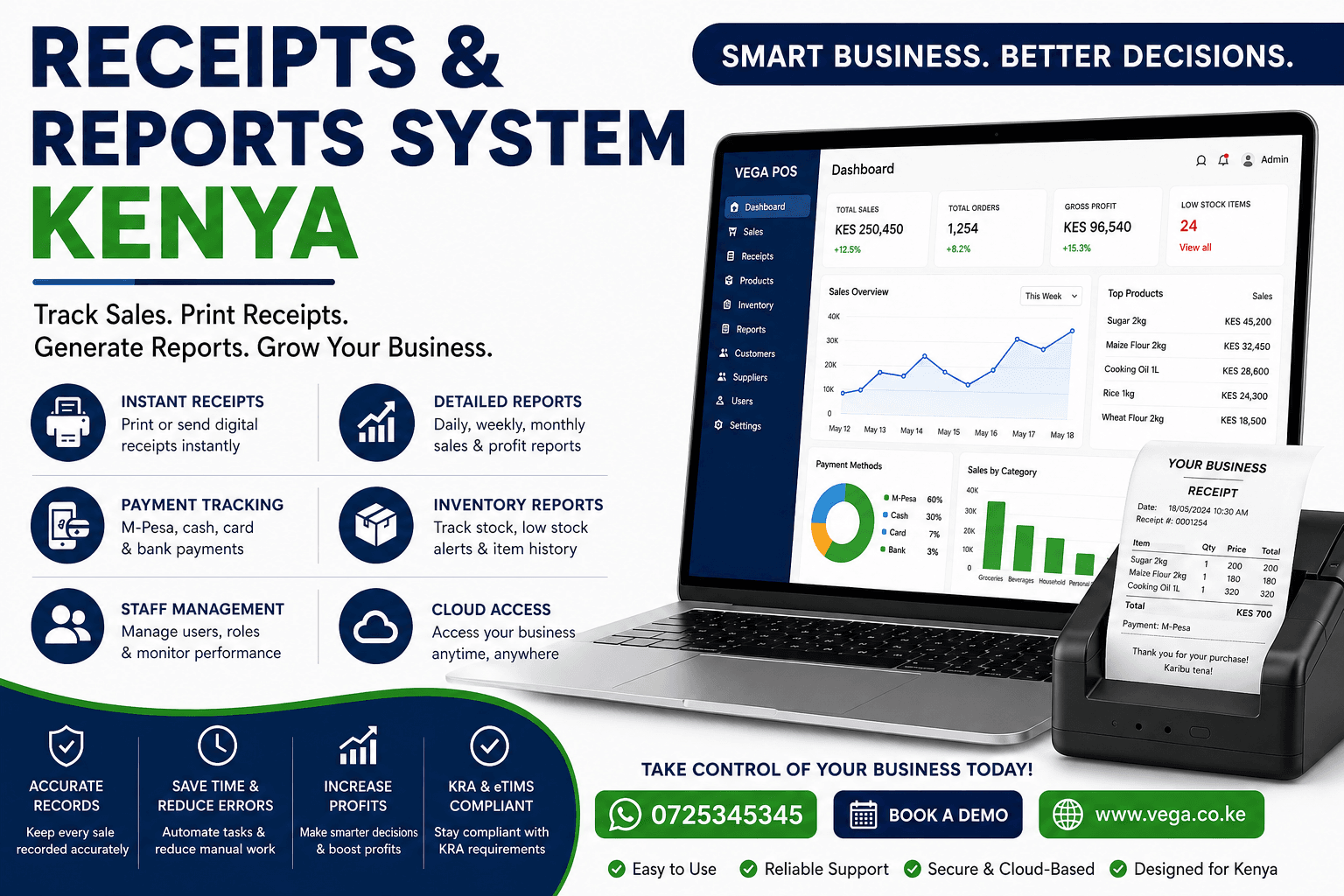
Automation at Scale in Next-Generation Business Operating Systems
Automation is not just a feature—it is a foundation.
Next-generation business operating systems enable automation across every business layer:
🔄 Operational Automation:
- Workflow approvals
- Task assignments
- Reporting systems
💬 Customer Automation:
- AI chat support
- Email responses
- Ticket handling
📦 Supply Chain Automation:
- Inventory restocking
- Delivery tracking
- Vendor coordination
This level of automation allows businesses to scale without increasing operational staff at the same rate.
🌍 Global Expansion with Next-Generation Business Operating Systems
Businesses using next-generation business operating systems can expand globally with minimal friction.
Because these systems are cloud-based and scalable, they support:
- Multi-language operations
- Multi-currency transactions
- Global compliance standards
- Distributed teams across countries
This makes international expansion faster, cheaper, and more efficient.
🔐 Security and Compliance in Next-Generation Business Operating Systems
Security is a top priority in modern digital systems.
A next-generation business operating system includes advanced security layers such as:
🛡️ Security Features:
- AI-based threat detection
- End-to-end encryption
- Secure cloud storage
- Identity and access management
- Continuous monitoring systems
📜 Compliance Support:
- GDPR compliance
- Data protection regulations
- Industry-specific standards
This ensures businesses remain protected while scaling globally.
🏢 Enterprise Transformation with Next-Generation Business Operating Systems
Large organizations often struggle with outdated legacy systems.
Next-generation business operating systems transform enterprises by:
- Replacing fragmented systems
- Unifying departments
- Automating decision chains
- Improving transparency
- Enhancing performance visibility
This transformation leads to a fully connected and intelligent enterprise.
📉 Problems Solved by Next-Generation Business Operating Systems
Many businesses adopt these systems to solve critical issues:
❌ Before Adoption:
- Data silos across departments
- Slow manual processes
- High operational costs
- Poor decision visibility
- Lack of automation
✅ After Adoption:
- Unified data systems
- Automated workflows
- Reduced costs
- Real-time insights
- AI-powered decisions
This transformation is why next-generation business operating systems are becoming essential for modern organizations.
🔮 Evolution Path of Next-Generation Business Operating Systems
The evolution of next-generation business operating systems is moving toward full autonomy.
Stage 1: Digital Systems
Basic software tools replacing paper processes.
Stage 2: Integrated Platforms
Systems begin connecting departments.
Stage 3: Intelligent Systems
AI and automation introduced.
Stage 4: Next-Generation Business Operating Systems
Fully unified AI-powered ecosystems.
Stage 5: Autonomous Enterprises
Self-running businesses with minimal human input.
📈 Business Impact of Next-Generation Business Operating Systems
Companies that adopt next-generation business operating systems experience:
- Faster decision-making
- Higher revenue growth
- Reduced operational waste
- Improved customer experience
- Stronger competitive advantage
These systems directly influence profitability and long-term success.
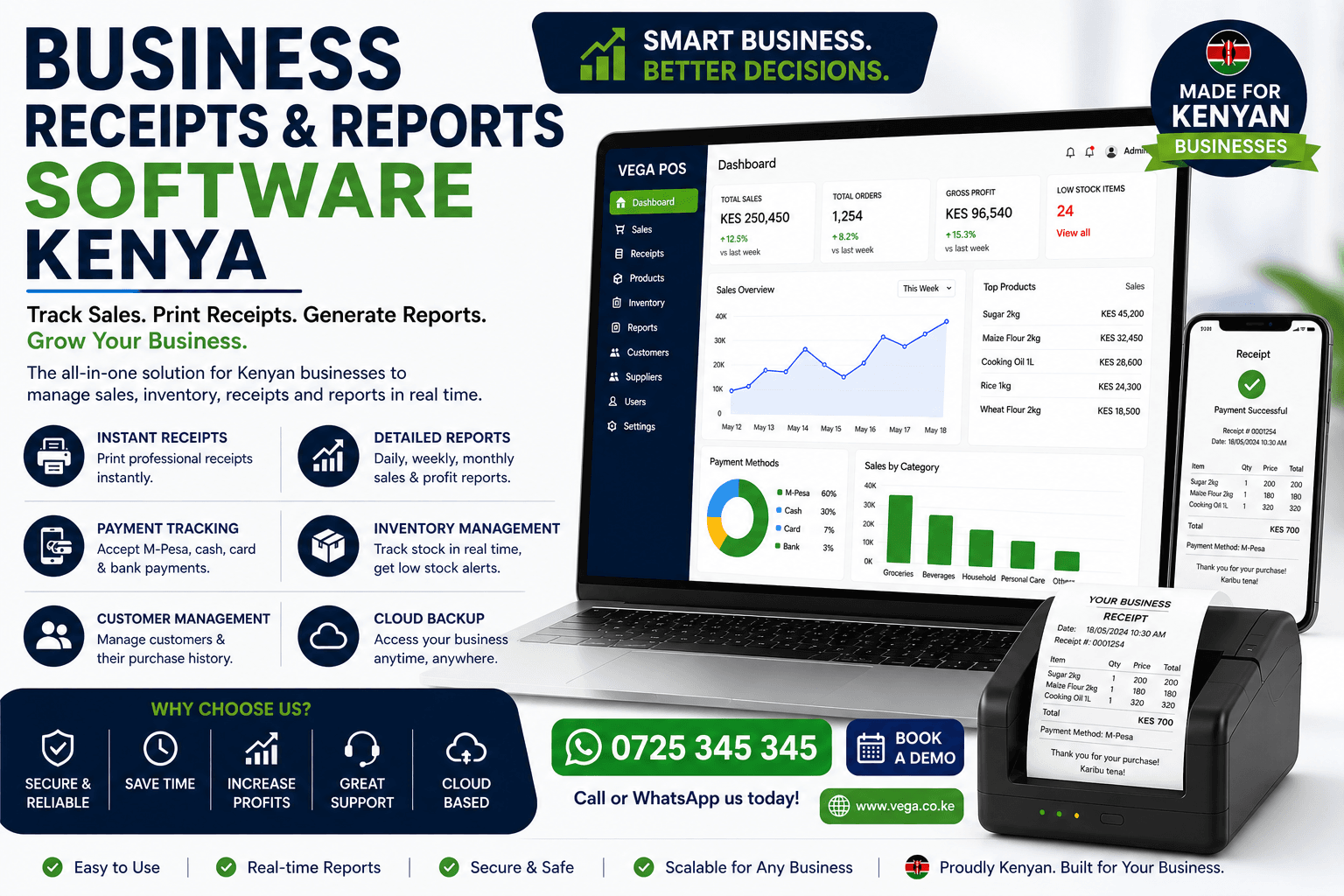
Why Next-Generation Business Operating Systems Are the Future
The future of business is not just digital—it is intelligent, automated, and fully integrated.
Next-generation business operating systems represent this future by combining AI, cloud computing, automation, and real-time data into one powerful platform.
Businesses that adopt these systems are no longer limited by traditional software constraints. Instead, they operate as smart, scalable, and adaptive digital organizations.
In a rapidly changing world, next-generation business operating systems are not optional—they are essential for survival, growth, and global success.