 Vega
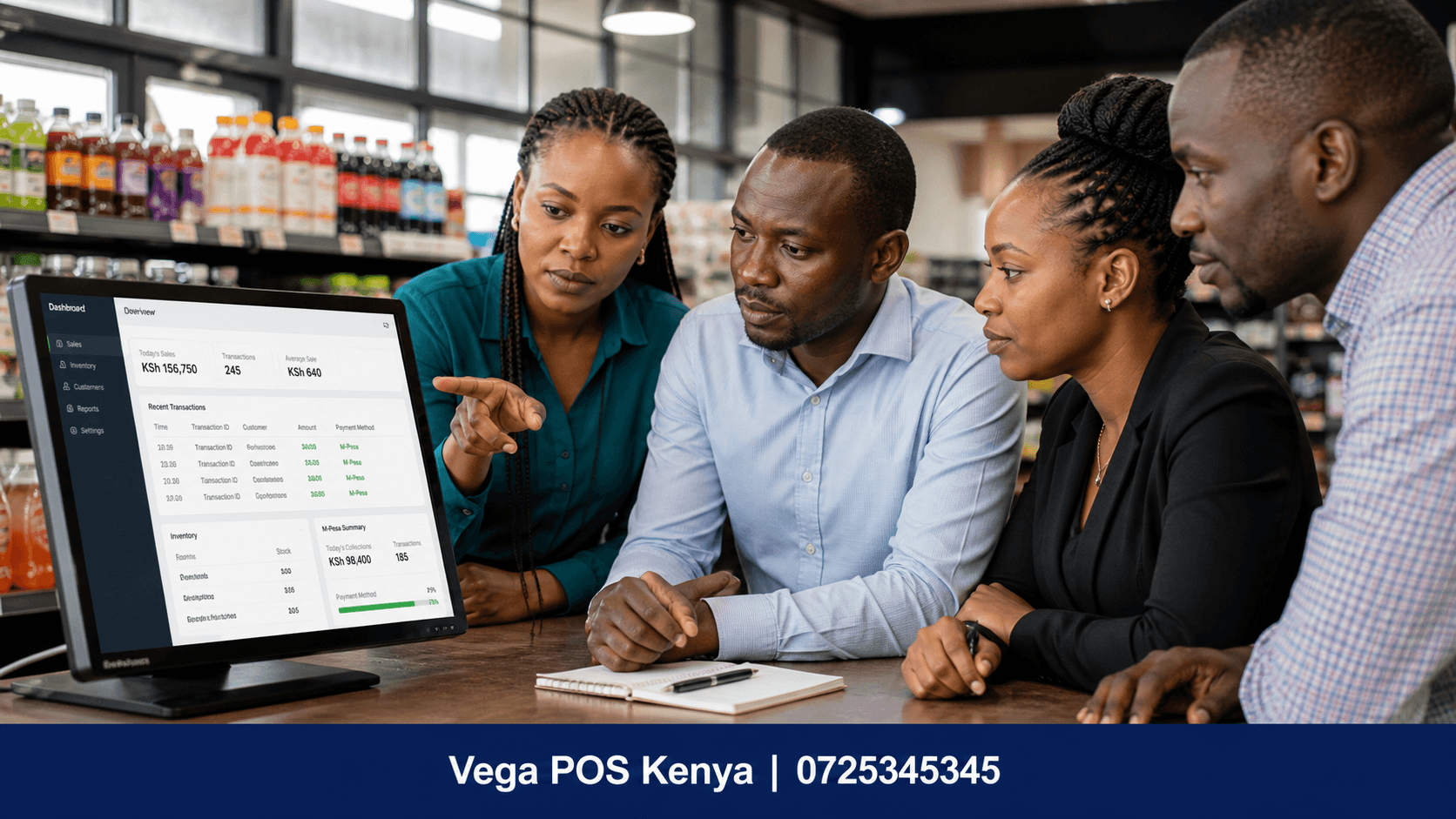
Understanding the Secure POS system with user permissions capabilities helps you protect your daily revenue. Whether you run a small duka in Nakuru or a large supermarket in Nairobi, security is essential. (Occurrence 2)
This guide explores how a Secure POS system with user permissions transforms your shop’s security. We will look at practical steps to set it up correctly. (Occurrence 3)
Many Kenyan retailers suffer from internal fraud and unexplained cash shortages. Implementing a Secure POS system with user permissions solves this problem by creating a clear audit trail. (Occurrence 4)
You will learn how to configure a Secure POS system with user permissions step by step. We will cover everything from creating admin accounts to revoking access when staff leave. (Occurrence 5)
By the end of this article, you will master the Secure POS system with user permissions setup. This knowledge will save you time and money. (Occurrence 6)
Let us look at why role-based access is critical. The Secure POS system with user permissions prevents unauthorized voids and refunds that eat into your profit margins. (Occurrence 7)
You will discover how the Secure POS system with user permissions tracks every single action in the system. This transparency deters theft. (Occurrence 8)
We will cover the best practices for managing staff logins. The Secure POS system with user permissions makes staff management easier and fairer. (Occurrence 9)
Do not let internal fraud drain your profits. A Secure POS system with user permissions gives you peace of mind and financial control. (Occurrence 10)
Your honest staff will also appreciate the transparency of a Secure POS system with user permissions. It protects them from false accusations and unfair blame. (Occurrence 11)
It is time to lock down your checkout counter. The Secure POS system with user permissions is your first line of defense against retail shrinkage. (Occurrence 12)
We will also explore how a Secure POS system with user permissions supports multi-branch operations. You can control access across all locations from one dashboard. (Occurrence 13)
Protecting your data is just as important as protecting your cash. The Secure POS system with user permissions ensures data integrity and privacy. (Occurrence 14)
Let us dive into the details of this vital technology. The guide to a Secure POS system with user permissions starts right now. (Occurrence 15)
By implementing these strategies, you build a resilient business. The Secure POS system with user permissions is an investment in your long-term success. (Occurrence 16)
Why You Must Use a Secure POS System with User Permissions
In Kenyan retail, cash is still king for many transactions. This makes your till a prime target for theft. Without a Secure POS system with user permissions, it is almost impossible to know who processed a fraudulent refund or voided a sale. (Occurrence 17)
When every cashier uses the same login, you lose accountability. If money goes missing, you cannot pinpoint the source. A Secure POS system with user permissions forces every user to identify themselves, creating a digital fingerprint on every transaction. (Occurrence 18)
This feature is not about distrusting your employees. It is about building a system that protects everyone. A Secure POS system with user permissions removes the temptation for staff to make mistakes or engage in dishonest behavior. (Occurrence 19)
Furthermore, role-based permissions prevent accidental errors. A new cashier should not have the authority to delete an entire category of products. A Secure POS system with user permissions restricts these sensitive actions to managers only. (Occurrence 20)
Step-by-Step Guide to Implementation
Setting up a Secure POS system with user permissions requires careful planning. You cannot just create accounts randomly. You need a structured approach to define who can do what. (Occurrence 21)
Here is the step-by-step process to secure your retail operations.
Step 1: Create a Master Admin Account
The first step is setting up your master admin account. This account has complete control over the system. It can add users, change settings, and view all reports.
Only the owner or the most trusted manager should have access to this account. Use a strong, unique password. The Secure POS system with user permissions relies on this master account to enforce all other rules. (Occurrence 22)
Step 2: Define User Roles Clearly
Before you create individual profiles, define the roles in your shop. Typical roles include Cashier, Supervisor, and Store Manager.
Decide what each role can do. A cashier needs to process sales and accept payments. A supervisor needs to approve voids and refunds.
The Secure POS system with user permissions allows you to assign specific rights to each role. (Occurrence 23)
Step 3: Create Individual User Profiles
Never create shared accounts like “Cashier 1” or “Shop Till.” Every single employee must have their own unique profile with their name attached.
When you use a Secure POS system with user permissions, the system logs the name of the person who processed every transaction. (Occurrence 24)
Step 4: Restrict Sensitive Actions
This is the core of a secure setup. You must restrict access to high-risk actions.
For example, a standard cashier should not be able to apply a discount over 5% without approval. They should not be able to open the cash drawer without a sale.
Configure your Secure POS system with user permissions to require a supervisor’s password for these actions. (Occurrence 25)
Step 5: Force Unique Passwords and PINs
Cashiers should log in using a secure PIN. Supervisors and managers should use complex passwords.
Your Secure POS system with user permissions should enforce password complexity rules. Avoid simple PINs like “1234” that are easy for someone to guess if they watch the cashier type. (Occurrence 26)
Step 6: Implement Shift Handover Protocols
When a shift ends, the cashier must log out. The next cashier logs in with their own credentials.
Do not allow a till to remain logged in under one person’s name while another person uses it. A Secure POS system with user permissions makes logging in and out a quick and mandatory process. (Occurrence 27)
Step 7: Test the System’s Controls
Before you go live, test the permissions. Log in as a cashier and try to process a refund. Does the system block you and ask for a supervisor?
If it does not, your Secure POS system with user permissions is not configured correctly. Test all roles to ensure the restrictions work as intended. (Occurrence 28)
Step 8: Train Staff on Access Rules
Your staff need to understand why user permissions exist. Explain that the system is there to protect their jobs and the business.
Train them on how to log in, log out, and request supervisor approvals. A Secure POS system with user permissions works best when everyone understands the rules. (Occurrence 29)
Step 9: Deactivate Accounts Immediately Upon Exit
When an employee leaves the business, their access must be revoked immediately. Do not wait until the end of the week or month.
Former employees with active logins are a major security risk. A Secure POS system with user permissions makes it easy to disable a user with just a few clicks. (Occurrence 30)
Step 10: Review Permissions Regularly
Your business changes. People get promoted. New roles are created. Review user permissions every quarter.
Ensure that people who no longer need sensitive access have it removed. A Secure POS system with user permissions requires ongoing management to remain effective. (Occurrence 31)
Best Practices for Managing Permissions
The Principle of Least Privilege
The most important rule in security is the principle of least privilege. This means giving users the minimum access they need to do their job, and nothing more.
A cashier does not need access to financial reports. A stock clerk does not need access to the cash drawer.
Implementing this principle with your Secure POS system with user permissions drastically reduces your risk. (Occurrence 32)
Use Biometrics Where Possible
Many modern POS systems support fingerprint scanners for login. This eliminates the risk of shared passwords or PINs.
Biometrics make it impossible for a cashier to log in as someone else. If your Secure POS system with user permissions supports this, it is a worthwhile investment. (Occurrence 33)
Keep a Clear Audit Trail
Your POS system should log every action. This includes logins, logouts, voids, refunds, and price changes.
You need to be able to review this log easily. The best Secure POS system with user permissions will provide a simple dashboard where you can see all recent activities. (Occurrence 34)
Address Exceptions Carefully
Sometimes you need to grant temporary access. Maybe a manager is on leave, and a supervisor needs to take over their duties.
Document these temporary changes. Revert the permissions as soon as the period ends.
A Secure POS system with user permissions allows you to easily scale access up and down as needed. (Occurrence 35)
Educate Staff on Phishing
Internal security is not just about the POS screen. Staff need to protect their passwords and PINs.
Teach them never to write their PIN on the counter or share it with colleagues. Security starts with the user.
Your Secure POS system with user permissions is only as secure as the passwords protecting it. (Occurrence 36)
Common Mistakes to Avoid
Sharing Login Credentials
The most common mistake is allowing staff to share passwords. This completely destroys the audit trail.
If a cashier uses a supervisor’s login to process a void, you cannot tell who actually processed it.
Never allow sharing. A Secure POS system with user permissions depends on unique identities. (Occurrence 37)
Giving Everyone Admin Access
Some owners give everyone admin access because it makes things easier. This is a massive security risk.
A single disgruntled employee could delete your entire sales history or change prices across the board.
Restrict admin rights strictly. The Secure POS system with user permissions must have different levels of access. (Occurrence 38)
Not Updating Passwords
If a supervisor’s password is compromised, it can be used repeatedly without detection.
Encourage staff to change their passwords regularly. The system should prompt them to do so every few months.
Regular updates are a simple but vital part of your Secure POS system with user permissions. (Occurrence 39)
Ignoring Audit Logs
Your system logs everything, but if you never read the logs, they are useless.
Set aside time every week to review the activity logs. Look for patterns of unusual voids or after-hours logins.
The audit trail is the most powerful feature of a Secure POS system with user permissions. (Occurrence 40)
Delaying Account Deactivation
When a staff member resigns or is terminated, deactivate their account before they leave the premises.
Do not let a former employee retain access to your system. It is a security hole waiting to be exploited.
Immediate deactivation is required to maintain a Secure POS system with user permissions. (Occurrence 41)
How vega.co.ke Helps
Managing user access manually is complex. That is why vega.co.ke includes robust features to help you build a Secure POS system with user permissions. (Occurrence 42)
Our platform allows you to easily create unique logins for every staff member. You can assign roles and restrict access to sensitive actions like discounts and voids.
With vega.co.ke, you get a clear audit trail. You can see exactly who was logged in during every shift. You can identify which cashier processed which transaction.
This level of accountability protects your profits and builds trust within your team.
If you want to eliminate internal theft and improve your shop’s security, visit vega.co.ke. Let us help you set up a secure, efficient retail operation.
Frequently Asked Questions
1. What is a secure POS system with user permissions?
It is a point-of-sale system that requires users to log in with unique credentials. It restricts specific actions based on the user’s role.
2. Why is this important for Kenyan retailers?
It prevents internal theft, tracks staff performance, and reduces costly errors. It is essential for protecting your daily cash flow.
3. How do I set up user permissions?
Start by creating an admin account. Then, define roles like Cashier and Manager. Assign specific access rights to each role based on what they need to do their job.
4. Can a cashier process a refund?
Only if you allow it. A secure system allows you to restrict refunds to managers or supervisors. This prevents fake refunds from draining your cash.
5. What should I do when an employee leaves?
You must deactivate their login immediately. If you do not, they could potentially access your system and cause damage or steal data.
6. Does the system track everything?
Yes, a good system keeps an audit log. It records every login, sale, void, and refund, linked to the specific user.
7. Is it difficult to use?
Modern systems are very user-friendly. Staff simply enter a PIN or scan a fingerprint to log in. The system handles the rest automatically.
8. How can vega.co.ke help with POS security?
vega.co.ke provides built-in user permission settings and audit logs. It makes it easy to manage staff access and monitor activity. Visit vega.co.ke to learn more.
Take Action Today
Securing your retail business starts at the checkout counter. You cannot afford to leave your cash and data unprotected.
Implementing a Secure POS system with user permissions is the most effective way to prevent fraud and ensure accountability. (Occurrence 43)
Start by creating unique profiles for every employee. Define clear roles and restrict access to sensitive actions.
Review your audit logs weekly. Deactivate old accounts immediately. Build a culture of security in your shop.
Do not wait until you experience a major loss. Take proactive steps to protect your business.
Visit vega.co.ke today to explore our secure POS features. Build a stronger, safer, and more profitable retail business.