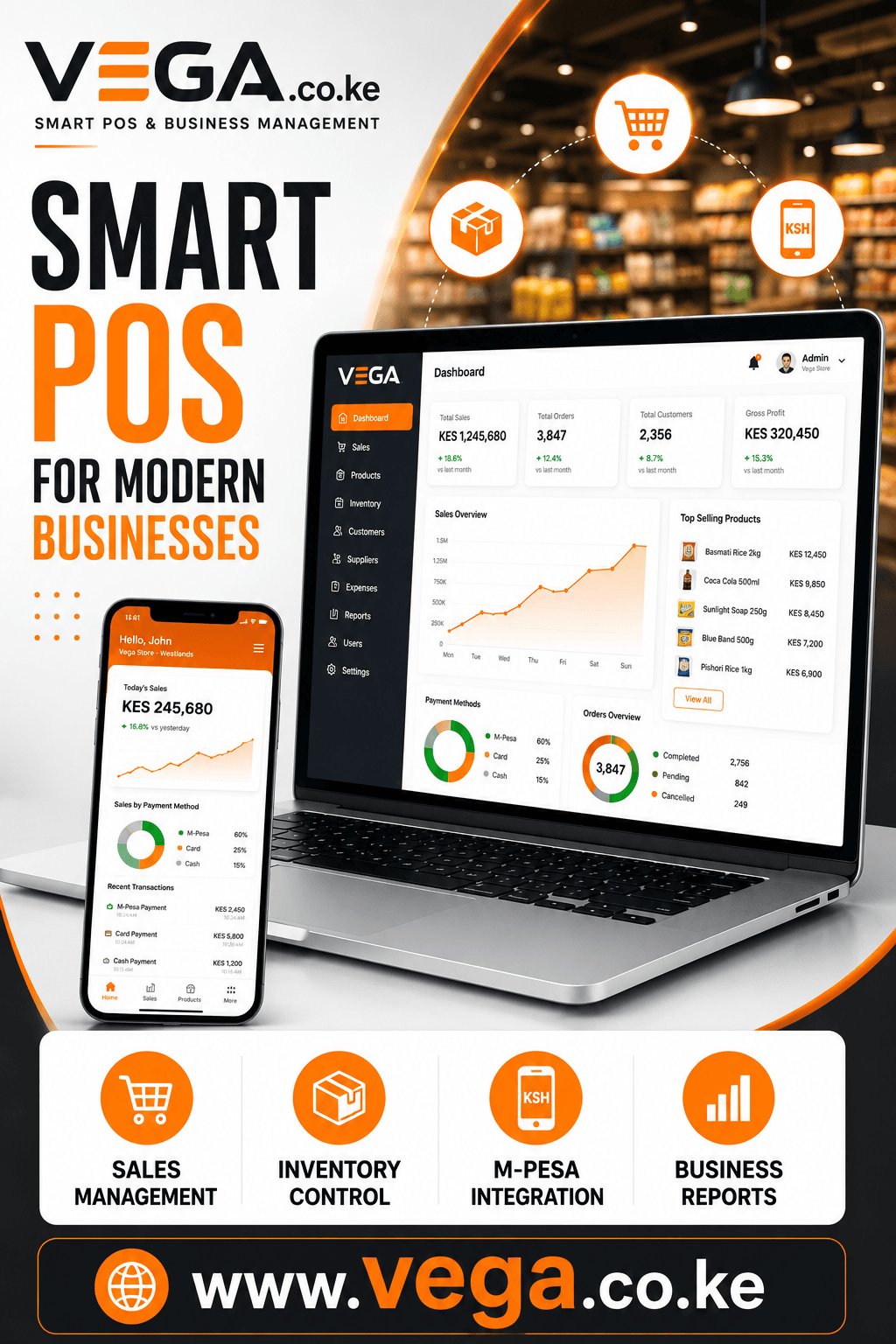
Store Performance Management System is a powerful solution that enables retailers to measure, monitor, analyze, and improve the performance of their stores through real-time data, operational insights, and performance tracking tools.
Modern retail businesses operate in highly competitive environments where profitability depends on more than simply generating sales. Retailers must monitor employee productivity, inventory efficiency, customer service quality, sales performance, operational consistency, and financial outcomes across all store locations.
As businesses grow, managing store performance becomes increasingly challenging. Owners and managers often struggle to maintain visibility across multiple branches, departments, and teams. Traditional reporting methods frequently rely on spreadsheets, manual audits, and delayed reports that limit decision-making capabilities.
A Store Performance Management System addresses these challenges by providing centralized performance monitoring and business intelligence capabilities.
The platform helps organizations track key performance indicators, evaluate operational effectiveness, identify improvement opportunities, and implement data-driven management strategies.
Instead of relying on assumptions or incomplete information, retailers gain access to accurate and real-time insights regarding store operations and performance.
For supermarkets, pharmacies, wholesalers, hardware stores, electronics retailers, convenience stores, fashion outlets, and multi-branch businesses throughout Kenya, Store Performance Management System provides the visibility and control necessary to drive operational excellence.
By transforming operational data into actionable insights, businesses can improve efficiency, increase profitability, strengthen accountability, and support sustainable growth.
Table of Contents
- Understanding Store Performance Management System
- Why Store Performance Management System Matters
- Core Features of Store Performance Management System
- Key Performance Indicator Tracking
- Sales and Revenue Performance Monitoring
- Employee Productivity and Accountability
- Operational Reporting and Business Intelligence
- Challenges of Traditional Store Performance Management
Understanding Store Performance Management System
A Store Performance Management System is a software platform designed to monitor, measure, and improve retail performance through centralized analytics, reporting, and operational tracking.
The platform provides visibility into the factors that influence business success, including sales activity, inventory performance, employee productivity, customer engagement, operational efficiency, and profitability.
Retail organizations generate large volumes of operational data every day.
Sales transactions, inventory movements, purchasing activities, employee actions, customer interactions, and financial records all contain valuable information about business performance.
Without a structured management system, much of this information remains underutilized.
A Store Performance Management System transforms operational data into meaningful insights that support management decision-making.
The software integrates with point of sale systems, inventory management platforms, purchasing modules, customer databases, and reporting tools to create a comprehensive performance management environment.
Managers gain access to real-time dashboards and performance metrics that provide visibility across the organization.
For businesses operating throughout Kenya, access to accurate performance information is becoming increasingly important as competition intensifies and customer expectations continue to rise.
Store Performance Management System provides the tools needed to maintain visibility, improve accountability, and support continuous improvement.
Organizations that understand their performance are better positioned to achieve sustainable growth and long-term success.
Why Store Performance Management System Matters
Retail success depends on the ability to measure and improve performance consistently.
Businesses that lack visibility into operational activities often struggle to identify inefficiencies, performance gaps, and growth opportunities.
A Store Performance Management System helps eliminate these challenges by providing accurate and timely performance information.
One of the primary benefits is increased visibility.
Business owners and managers gain access to detailed information regarding sales trends, employee productivity, inventory efficiency, customer activity, and financial performance.
The platform supports data-driven decision-making by providing measurable insights rather than relying on assumptions.
Store Performance Management System also improves accountability because performance metrics are clearly defined and continuously monitored.
Employees, managers, and departments can be evaluated using objective performance indicators.
The software helps identify high-performing stores, successful operational practices, and areas requiring improvement.
Organizations can implement targeted improvement strategies based on accurate information.
For businesses throughout Kenya, these capabilities contribute to improved efficiency, stronger profitability, and enhanced competitiveness.
Companies that monitor performance effectively are often better positioned to respond quickly to changing market conditions and customer demands.
Core Features of Store Performance Management System
A comprehensive Store Performance Management System includes numerous capabilities designed to support performance monitoring and operational improvement.
Performance dashboards provide real-time visibility into key business metrics.
Sales analytics tools monitor revenue generation and transaction performance.
Employee performance tracking capabilities support productivity monitoring and accountability.
Inventory performance analytics provide visibility into stock movement and inventory efficiency.
Branch comparison tools allow businesses to evaluate performance across multiple locations.
Goal-setting and target management features support performance improvement initiatives.
Reporting and analytics capabilities generate detailed operational insights.
Business intelligence tools transform data into actionable recommendations.
Customer analytics provide visibility into purchasing behavior and engagement patterns.
Automated alerts help managers identify performance issues quickly.
Together, these features make Store Performance Management System a critical component of modern retail management.
Key Performance Indicator Tracking
Key performance indicators are essential for measuring business success.
A Store Performance Management System enables organizations to define, monitor, and evaluate KPIs across all areas of operation.
Common retail KPIs include sales revenue, transaction volume, average transaction value, inventory turnover, stock availability, employee productivity, customer retention, and profitability.
The platform continuously tracks these metrics and presents them through centralized dashboards.
Managers can monitor performance trends and compare results against established goals.
Store Performance Management System helps businesses identify strengths and weaknesses using measurable performance indicators.
The software also supports performance benchmarking by allowing organizations to compare current results against historical performance and strategic targets.
For retailers throughout Kenya, KPI tracking provides the foundation for continuous improvement and informed decision-making.
Organizations gain the visibility needed to focus resources where they generate the greatest impact.
Sales and Revenue Performance Monitoring
Revenue generation remains one of the most important indicators of retail success.
Store Performance Management System provides detailed visibility into sales performance across products, departments, employees, and store locations.
Managers can analyze transaction activity, revenue trends, product performance, and sales growth through real-time reporting tools.
The platform helps organizations identify top-performing products, profitable categories, and emerging opportunities.
Store Performance Management System also supports forecasting and planning activities by providing historical performance data and trend analysis.
Businesses gain a deeper understanding of the factors influencing revenue performance.
Sales monitoring capabilities help organizations evaluate promotions, pricing strategies, seasonal demand, and customer purchasing behavior.
For businesses throughout Kenya, these insights contribute to stronger financial performance and improved resource allocation.
Accurate sales intelligence supports more effective decision-making and long-term growth planning.
Employee Productivity and Accountability
Employee performance has a direct impact on customer satisfaction, operational efficiency, and profitability.
Store Performance Management System helps organizations monitor productivity and establish accountability across teams and departments.
Managers can evaluate employee performance using measurable indicators such as sales activity, transaction processing, customer service outcomes, attendance records, and operational responsibilities.
The platform provides visibility into individual and team performance through centralized reporting tools.
Store Performance Management System helps identify high-performing employees while highlighting opportunities for coaching and development.
Performance tracking also supports recognition programs and incentive initiatives designed to encourage excellence.
Organizations gain the ability to establish clear expectations and monitor progress consistently.
For retailers throughout Kenya, improved accountability contributes to stronger operational performance and better customer experiences.
The platform helps create a culture of continuous improvement and measurable achievement.
Operational Reporting and Business Intelligence
Modern retailers require more than basic reporting capabilities.
Store Performance Management System includes advanced reporting and business intelligence tools that transform operational data into actionable insights.
Managers can generate reports related to sales performance, employee productivity, inventory efficiency, customer activity, profitability, and operational effectiveness.
Dashboards provide real-time visibility into key business indicators.
The platform helps organizations identify performance trends, operational challenges, and growth opportunities.
Store Performance Management System supports strategic planning by providing accurate information regarding business performance.
Organizations gain the ability to evaluate initiatives, measure outcomes, and implement improvement strategies based on reliable data.
For businesses operating multiple locations, centralized reporting creates a unified view of organizational performance.
These capabilities support more informed decision-making and stronger business outcomes.
Challenges of Traditional Store Performance Management
Many retailers continue to rely on manual reporting processes, spreadsheets, and fragmented systems to monitor performance.
While these methods may provide basic information, they often lack the accuracy, speed, and visibility needed for effective management.
Manual reporting consumes valuable time and may result in delayed or inconsistent information.
Managers often struggle to identify trends and performance issues because data is distributed across multiple systems.
Traditional methods also make it difficult to compare performance across stores, departments, and employees.
As businesses grow, these limitations become increasingly significant.
Store Performance Management System addresses these challenges by centralizing performance monitoring, automating reporting, improving visibility, and supporting continuous improvement.
For supermarkets, pharmacies, wholesalers, hardware stores, electronics retailers, convenience stores, fashion outlets, and multi-branch businesses throughout Kenya, implementing a Store Performance Management System is becoming increasingly important for maintaining competitiveness, improving operational efficiency, and achieving sustainable growth.
Benefits for Business Owners
Store Performance Management System provides significant advantages for business owners seeking greater visibility, stronger operational control, and improved profitability across their retail operations.
One of the most important benefits is access to real-time performance information. Instead of waiting for manual reports or relying on assumptions, business owners can monitor store performance through centralized dashboards and automated analytics.
The platform provides visibility into sales performance, inventory efficiency, employee productivity, customer activity, branch profitability, and operational effectiveness.
Business owners can quickly identify high-performing stores, recognize growth opportunities, and address operational issues before they negatively impact business performance.
Store Performance Management System also improves strategic decision-making because leaders gain access to accurate and measurable data.
The software enables organizations to evaluate initiatives, compare branch performance, and allocate resources more effectively.
Owners benefit from improved accountability because performance metrics are clearly defined and continuously monitored.
The platform helps establish a performance-driven culture where operational outcomes can be measured objectively.
As businesses expand, maintaining oversight becomes increasingly challenging.
Store Performance Management System provides the visibility needed to manage growth without sacrificing operational control.
For retailers throughout Kenya, these capabilities contribute to stronger profitability, improved efficiency, and long-term business success.
Organizations that actively monitor performance are often better positioned to outperform competitors and adapt to changing market conditions.
Benefits for Managers and Supervisors
Managers play a critical role in driving operational excellence and ensuring business objectives are achieved.
Store Performance Management System provides managers with the information and tools necessary to lead more effectively.
The platform delivers real-time visibility into sales activity, employee productivity, inventory performance, customer engagement, and operational metrics.
Managers can identify performance trends quickly and respond proactively to emerging challenges.
Store Performance Management System simplifies reporting by automating data collection and performance analysis.
Instead of spending significant time compiling reports manually, managers can access detailed dashboards that provide immediate operational insights.
The software also improves accountability by making performance indicators transparent and measurable.
Managers can evaluate team performance objectively while identifying opportunities for coaching, training, and development.
Branch comparison tools enable leaders to identify best practices and replicate successful strategies across locations.
For organizations operating multiple stores throughout Kenya, these capabilities support stronger operational consistency and improved management effectiveness.
Managers gain the visibility needed to drive performance improvements while maintaining high standards of accountability and customer service.
Benefits for Employees
Employees benefit from the clarity, transparency, and performance visibility provided by Store Performance Management System.
Traditional performance management approaches often rely on subjective evaluations and limited operational data.
Store Performance Management System creates a more objective environment where performance expectations and results are clearly measurable.
Employees gain visibility into goals, targets, and performance indicators that help guide daily activities.
Sales personnel can monitor sales achievements and productivity levels.
Inventory teams can evaluate stock management performance and operational efficiency.
Customer service staff gain insight into service quality metrics and customer engagement outcomes.
The platform also supports recognition and reward programs because performance achievements can be tracked accurately.
Store Performance Management System encourages continuous improvement by providing employees with timely feedback and measurable objectives.
The software reduces confusion regarding expectations while promoting accountability and professional growth.
For businesses throughout Kenya, these improvements contribute to stronger employee engagement, increased productivity, and improved workplace performance.
Employees become more motivated when they understand how their contributions support organizational success.
Benefits for Customers
Customers benefit indirectly from the operational improvements enabled by Store Performance Management System.
Organizations that monitor performance effectively are better positioned to maintain high standards of customer service, inventory availability, and operational efficiency.
The platform helps businesses identify service issues, operational bottlenecks, and customer experience challenges before they become significant problems.
Store Performance Management System supports better inventory management, ensuring products remain available when customers need them.
Sales performance monitoring helps organizations optimize staffing levels and improve service responsiveness.
Customer service metrics provide visibility into areas where improvements may be needed.
Businesses gain the ability to evaluate customer satisfaction initiatives and measure their effectiveness.
Store Performance Management System also helps organizations identify customer preferences and purchasing patterns through integrated analytics.
For consumers throughout Kenya, these capabilities contribute to improved shopping experiences, better service quality, and increased confidence in retail businesses.
Organizations that prioritize performance management are often better equipped to deliver the reliability and consistency customers expect.
Improving Efficiency Through Automation
Automation is a major advantage of Store Performance Management System.
Traditional performance monitoring often requires significant manual effort to collect data, compile reports, analyze results, and communicate findings.
These activities consume valuable time while increasing the risk of reporting errors and delayed decision-making.
Store Performance Management System automates data collection, performance tracking, reporting, and analytics.
The platform continuously gathers information from retail operations and updates performance metrics automatically.
Managers gain access to real-time dashboards that eliminate the need for manual reporting processes.
Automation improves accuracy while significantly reducing administrative workloads.
Store Performance Management System also enables faster responses to operational challenges because performance information is available immediately.
Businesses can identify trends, address issues, and implement improvements without waiting for periodic reports.
The software supports scalability by enabling organizations to monitor growing operations efficiently.
For retailers throughout Kenya, automation contributes to improved productivity, reduced operational costs, and stronger business performance.
Store Performance Management System transforms performance management into a continuous and proactive process.
Compliance, Governance, and Risk Management
Accurate performance information is essential for accountability, governance, and operational oversight.
Store Performance Management System helps organizations improve transparency through centralized performance monitoring and structured reporting processes.
The platform maintains detailed records of sales activity, employee performance, operational outcomes, inventory metrics, and management actions.
These records support internal reviews, audits, strategic evaluations, and operational planning activities.
Store Performance Management System also enhances accountability by ensuring performance metrics remain consistent and measurable.
Managers can monitor compliance with operational standards while evaluating performance against established objectives.
Risk management improves because the platform helps identify operational weaknesses, performance declines, and emerging issues before they become major concerns.
Businesses gain greater visibility into organizational performance and can take corrective action more effectively.
For retailers throughout Kenya, these capabilities support stronger governance, improved accountability, and more reliable operational management.
Store Performance Management System provides the framework needed to maintain performance excellence while reducing operational risk.
Why Vega Is the Ideal Solution
Vega is designed to help retail businesses monitor, analyze, and improve performance through a centralized management platform.
Store Performance Management System becomes significantly more effective when performance monitoring is integrated with sales management, inventory control, purchasing operations, customer administration, reporting, and business analytics.
Vega combines all these capabilities within a single solution.
The platform enables businesses to track key performance indicators, monitor branch performance, analyze sales trends, evaluate employee productivity, oversee inventory efficiency, and generate comprehensive reports from one dashboard.
Vega eliminates the limitations associated with fragmented reporting systems and disconnected operational data.
Store Performance Management System powered by Vega ensures performance information remains accurate, synchronized, and readily accessible.
Business owners gain complete visibility into organizational performance while managers benefit from real-time analytics and operational intelligence.
For supermarkets, pharmacies, wholesalers, hardware stores, electronics retailers, convenience stores, fashion outlets, and multi-branch businesses throughout Kenya, Vega provides a scalable solution capable of supporting both operational excellence and future growth.
By combining operational management with advanced performance monitoring, Vega helps organizations improve efficiency, increase profitability, strengthen accountability, and achieve long-term success.
Future Trends
The future of performance management will be influenced by artificial intelligence, predictive analytics, automation, machine learning, and cloud-based business intelligence technologies.
Store Performance Management System solutions are expected to become increasingly intelligent, helping businesses predict performance outcomes and identify improvement opportunities automatically.
Artificial intelligence may assist with performance forecasting, productivity analysis, staffing optimization, and operational planning.
Predictive analytics will enable organizations to anticipate challenges before they occur and implement proactive strategies.
Cloud-based platforms will continue expanding because they provide accessibility, scalability, and real-time visibility.
Advanced analytics tools will offer deeper insights into customer behavior, employee productivity, inventory performance, and profitability trends.
Store Performance Management System will continue evolving into a strategic management tool that supports continuous improvement across all aspects of retail operations.
As businesses throughout Kenya embrace digital transformation, performance management technologies will become increasingly important for maintaining competitiveness and achieving sustainable growth.
Organizations that invest in advanced performance management capabilities today will be better positioned to succeed in the future.
Getting Started
Implementing Store Performance Management System begins with evaluating current performance monitoring processes and identifying opportunities for improvement.
Businesses should assess reporting methods, operational metrics, performance objectives, management requirements, and growth goals.
The next step involves selecting a platform capable of integrating operational data and providing centralized performance visibility.
Organizations should establish key performance indicators and performance standards before implementation.
Employee training is important to ensure managers and teams understand how to interpret performance information and use insights effectively.
Store Performance Management System delivers the greatest value when implemented as part of a broader strategy focused on operational excellence, accountability, profitability, and customer satisfaction.
For businesses seeking a complete solution, Vega offers integrated capabilities that support sales management, inventory control, business intelligence, reporting, employee performance monitoring, operational analytics, and retail automation.
By implementing Store Performance Management System, organizations can improve visibility, strengthen accountability, increase efficiency, optimize performance, enhance customer experiences, and create a scalable foundation for long-term success.