 Vega
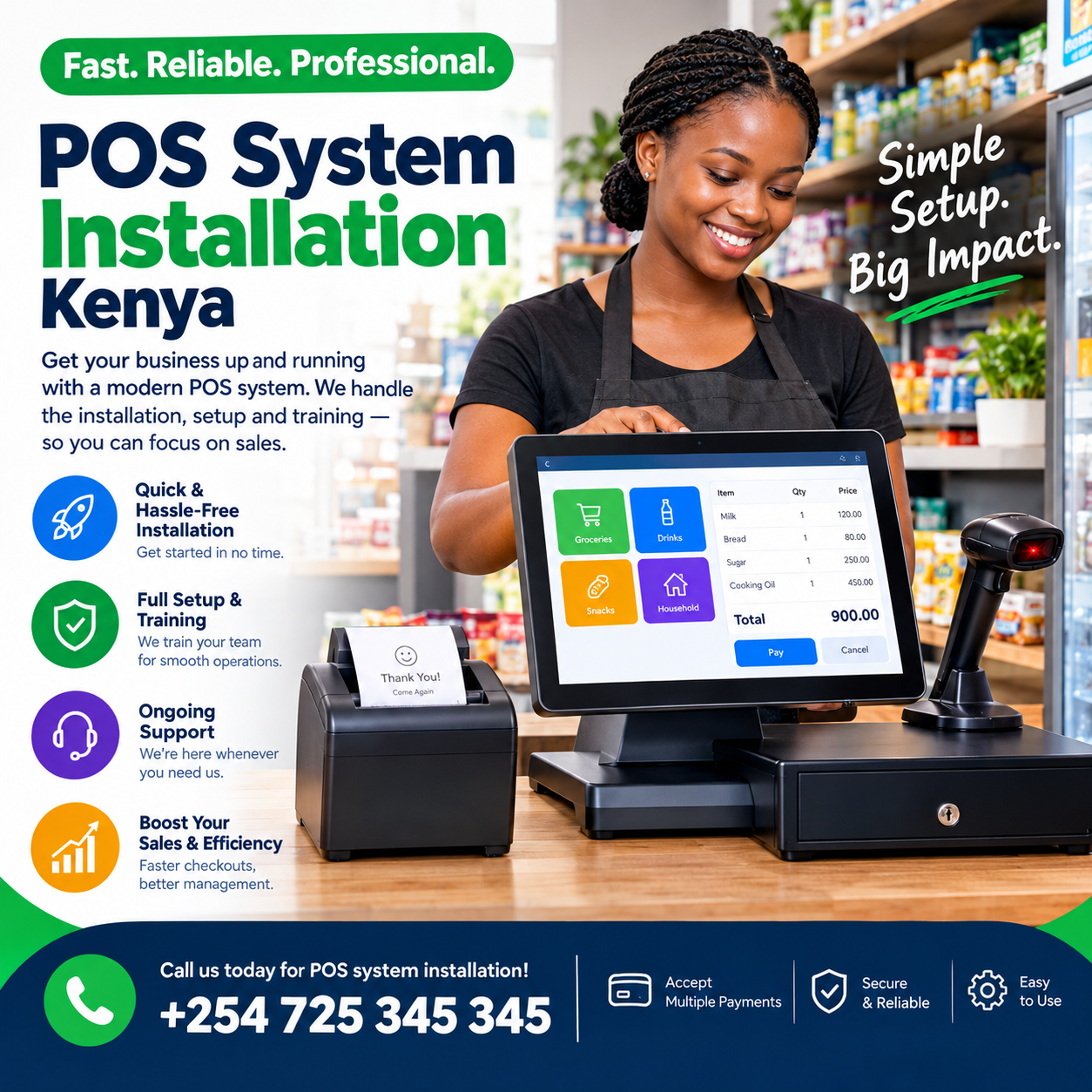
POS system with monthly subscription in Kenya is changing how retailers manage sales and cash. Instead of paying a large upfront fee, you pay a small amount each month. This makes modern technology accessible to small shops and startups.
This guide explains POS system with monthly subscription in Kenya in practical terms. We cover pricing, features, eTIMS compliance, and M-Pesa integration. By the end, you will know POS system with monthly subscription in Kenya with confidence.
Whether you run a kiosk in Nakuru or a mini-mart in Nairobi, POS system with monthly subscription in Kenya fits your budget. Many retailers now prefer subscriptions over one-time licences.
You will learn POS system with monthly subscription in Kenya across different price tiers. We also show POS system with monthly subscription in Kenya for different business types.
The POS system with monthly subscription in Kenya model offers flexibility. You can upgrade as you grow. You can add users and branches without buying new hardware.
You will also understand POS system with monthly subscription in Kenya when your internet is unreliable. And you will see POS system with monthly subscription in Kenya during peak seasons.
The POS system with monthly subscription in Kenya approach includes eTIMS compliance and M-Pesa integration. Both are essential for Kenyan retailers.
You will learn POS system with monthly subscription in Kenya through real price ranges. And you will see POS system with monthly subscription in Kenya for total cost of ownership.
Finally, the POS system with monthly subscription in Kenya guide will help you avoid common mistakes. It will also show POS system with monthly subscription in Kenya for long-term value.
Let us begin with why this model is growing so fast.
Why Monthly Subscription POS Is Growing in Kenya
Traditional POS systems required a large upfront payment. You bought a licence and installed software on your own computer. This cost between KES 50,000 and KES 300,000.
Many small shops could not afford this. They stayed on manual bookkeeping. They lost sales and struggled with stock control.
Monthly subscription changed everything. You pay a small fee each month. You get access to the same powerful software. You do not need to buy a licence.
This model is called SaaS, or Software as a Service. It lowers the barrier to entry. It lets small shops use the same tools as large supermarkets.
The POS system with monthly subscription in Kenya model also includes updates and support. You do not pay extra for new features. You do not worry about software becoming outdated.
Cloud hosting means your data is safe. You can access reports from anywhere. You can manage multiple branches from one dashboard.
This flexibility is why more Kenyan retailers are switching to subscriptions every year.
Understanding the Subscription Model
A subscription POS has two cost parts. First, there is hardware. This is a one-time purchase. Second, there is software. This is the monthly fee.
Hardware includes a tablet or terminal, a receipt printer, a scanner, and a cash drawer. You can start with the basics and add more later.
Software is where you record sales, track stock, and generate reports. The monthly fee covers access to this software. It also covers updates, backups, and support.
Some providers charge per user. Others charge per transaction volume. Others offer unlimited users at a higher tier.
The POS system with monthly subscription in Kenya model is flexible. You can choose a plan that fits your size. You can upgrade when you grow.
Most providers offer a free trial. This lets you test the system before you commit. You can see if it works for your shop.
How Much Does a Monthly Subscription POS Cost in Kenya?
Prices vary widely. They depend on features, users, and transaction volume. Here are the typical ranges.
Starter Plans
Starter plans suit small shops and kiosks. They offer basic sales tracking and receipts. They support one user and one location.
Prices range from KES 250 to KES 2,000 per month. Some providers offer free tiers with limited features.
These plans may not include M-Pesa integration or eTIMS compliance. Check before you buy.
Standard Plans
Standard plans add M-Pesa integration and inventory tracking. They support multiple users and shifts.
Prices range from KES 2,000 to KES 5,000 per month. These plans suit growing shops with 2-5 users.
They include eTIMS compliance, which is mandatory for VAT-registered businesses.
Professional Plans
Professional plans support multiple branches and advanced analytics. They include role-based permissions and API access.
Prices range from KES 5,000 to KES 15,000 per month. These plans suit supermarkets and chains.
Enterprise Plans
Enterprise plans offer unlimited users and branches. They include dedicated support and custom SLAs.
Prices start at KES 15,000 per month and go higher. These suit large organisations with complex needs.
Annual Billing Discounts
Most providers offer 10-20% discounts for annual payment. For example, a KES 2,500 monthly plan becomes KES 23,990 per year.
Annual billing saves money. But it requires upfront payment. Consider your cash flow before committing.
The Real Cost of POS System with Monthly Subscription in Kenya
The monthly fee is not the only cost. You must also budget for hardware, internet, and consumables.
Hardware Costs
A basic tablet and printer setup costs KES 25,000 to KES 45,000. A touchscreen terminal with scanner and cash drawer costs KES 50,000 to KES 90,000.
Mini-supermarkets with two counters may spend KES 120,000 to KES 250,000 on hardware.
Internet Costs
Cloud POS needs internet. Budget KES 3,000 to KES 5,000 per month for a reliable connection. Some systems work offline and sync later.
Consumables
Thermal paper rolls and labels cost money. Budget KES 1,000 to KES 3,000 per month depending on volume.
Training
Some providers include training. Others charge extra. Budget KES 5,000 to KES 15,000 for comprehensive training.
Support
Support is often included in the subscription. But some providers charge extra after the first year. Ask before you buy.
Step-by-Step: How to Choose a Monthly Subscription POS in Kenya
Step 1: Assess Your Transaction Volume
How many sales do you make per day? A kiosk with 50 sales needs a simpler plan than a mini-mart with 500 sales.
Most providers price by transaction volume. Choose a plan that matches your current volume. You can upgrade later.
Step 2: List Your Must-Have Features
Write down the features you cannot run without. For most Kenyan retailers, this includes M-Pesa integration, eTIMS compliance, and inventory tracking.
Add multiple user logins if you have staff. Add multi-branch support if you plan to expand.
Step 3: Check eTIMS Compliance
KRA requires eTIMS for VAT-registered businesses. Your POS must be compliant. Non-compliance leads to fines.
Ask the vendor about eTIMS. Is it included in the subscription? Does it cost extra? Test the compliance features before you buy.
Step 4: Verify M-Pesa Integration
M-Pesa is the dominant payment method in Kenya. Your POS must handle it smoothly.
Look for STK Push integration. It sends a payment prompt to the customer’s phone. The system confirms payment automatically.
Test M-Pesa during the demo. Make a small payment. Confirm that it records correctly.
Step 5: Check Offline Capability
Internet in Kenya can be unreliable. Your POS must work offline. It should record sales locally and sync later.
Test offline mode before buying. Disconnect the internet. Make a sale. See what happens. If the system stops, do not buy it.
Step 6: Review Reporting Features
Reports help you make decisions. You need daily sales reports. You need sales by product, cashier, and shift.
Ask to see sample reports. Can you see profit margins? Can you see peak hours? Can you see slow movers?
If reports are weak, the system will not help you grow.
Step 7: Evaluate Ease of Use
Your cashiers must use the system daily. If it is complicated, they will make mistakes.
Watch how many steps it takes to complete a sale. Test the interface yourself. Ask your staff to try it.
Simple systems reduce training time. They also speed up checkout.
Step 8: Ask About Support
Support matters when problems appear. Ask about response times. Ask about local technicians. Ask about phone or WhatsApp support.
Poor support turns a good system into a bad experience. Prioritise vendors with strong local support.
Step 9: Request a Trial
Never buy without testing. Ask for a demo. Better still, ask for a trial period. Use the system in your shop for a few days.
Test it during peak hours. Test offline mode. Test reports. A trial reveals problems that demos hide.
Step 10: Calculate Total Cost of Ownership
Add hardware, software, internet, and training. Compare over three years. Subscription POS may be cheaper for small shops.
One-time licence POS may be cheaper for large businesses with stable needs. Consider your growth plans.
Best Practices for Using a Monthly Subscription POS
Start with the Essentials
Buy only what you need now. Add hardware and features as you grow. A basic tablet and printer can handle a small shop.
Choose Cloud Over On-Premise
Cloud POS has lower upfront costs. You pay monthly. Updates and backups are included. On-premise requires a large one-time licence fee.
Use Annual Billing
Most vendors offer discounts for annual payment. Paying yearly saves 10-20% compared to monthly.
Train Staff Internally
You do not need expensive external training. Train your supervisors. Let them train cashiers. This saves money and builds internal capacity.
Reconcile Daily
Count cash at the end of every shift. Compare with the POS report. Investigate differences immediately.
Review Reports Weekly
Look at sales, stock, and cash variances. Act on findings. Reports only help if you read them.
Back Up Your Data
Cloud POS backs up automatically. But keep local exports too. Test the restore process.
Common Mistakes to Avoid
Choosing on Price Alone
The cheapest plan may lack support. It may fail during peak hours. Compare total value, not just price.
Ignoring eTIMS Compliance
Non-compliance leads to fines. Ensure your POS is eTIMS compliant if you are VAT-registered.
Skipping the Trial
Demos are controlled. Real shops are chaotic. A trial reveals how the system handles pressure.
Underestimating Training
Untrained staff make errors. They slow down service. Budget time and money for training.
Not Backing Up Data
Data loss is painful. Choose a system with cloud backup. Test the restore process.
Forgetting Offline Mode
Internet drops. If your POS stops, you lose sales. Choose a system that works offline.
How vega.co.ke Helps with POS System with Monthly Subscription in Kenya
POS system with monthly subscription in Kenya becomes easier with vega.co.ke. The platform helps you track sales, cash, and shift data in one place.
With vega.co.ke, you can see sales by product, cashier, and shift. You can spot variances quickly. This supports accountability and better decisions.
vega.co.ke is designed for Kenyan and African businesses. It focuses on clarity and ease of use. You do not need technical expertise.
If you are budgeting for POS system with monthly subscription in Kenya, consider using vega.co.ke for your tracking and reporting. Visit vega.co.ke to see how it can support your retail business.
Sector-Specific Tips
Supermarkets and Mini-Marts
Prioritise barcode scanning and multi-till support. Check eTIMS compliance and M-Pesa integration. Look for real-time inventory.
Queue speed matters. Test the system during peak hours.
Restaurants and Cafes
Look for table management and kitchen coordination. Check order splitting and transfers. Ensure M-Pesa works smoothly.
Speed during lunch and dinner is critical.
Pharmacies and Chemists
Prioritise batch and expiry tracking. Check prescription management. Ensure eTIMS compliance.
Accuracy protects patients.
Hardware and Building Supplies
Look for bulk sales and credit tracking. Check multiple units of measure. Ensure supplier management features.
Stock value is high. Theft is costly.
Salons and Barbershops
Look for appointment tracking and service lists. Check staff commission features. Ensure product inventory works.
Customer history helps with repeat business.
Small Kiosks and Dukas
Keep it simple. Look for affordable options. Check M-Pesa integration. Ensure it works offline.
Even simple software improves control.
Take Action on POS System with Monthly Subscription in Kenya
POS system with monthly subscription in Kenya is a smart choice for most retailers. It lowers upfront costs. It includes updates and support. It scales with your business.
Start by assessing your transaction volume. List must-have features. Check eTIMS and M-Pesa. Test offline mode. Request a trial. Train your staff.
Remember that POS system with monthly subscription in Kenya is an investment, not an expense. A good POS reduces theft, speeds up checkout, and gives you accurate data.
Visit vega.co.ke today to explore how it can support your tracking and reporting. Take the first step toward better control and higher profit.